
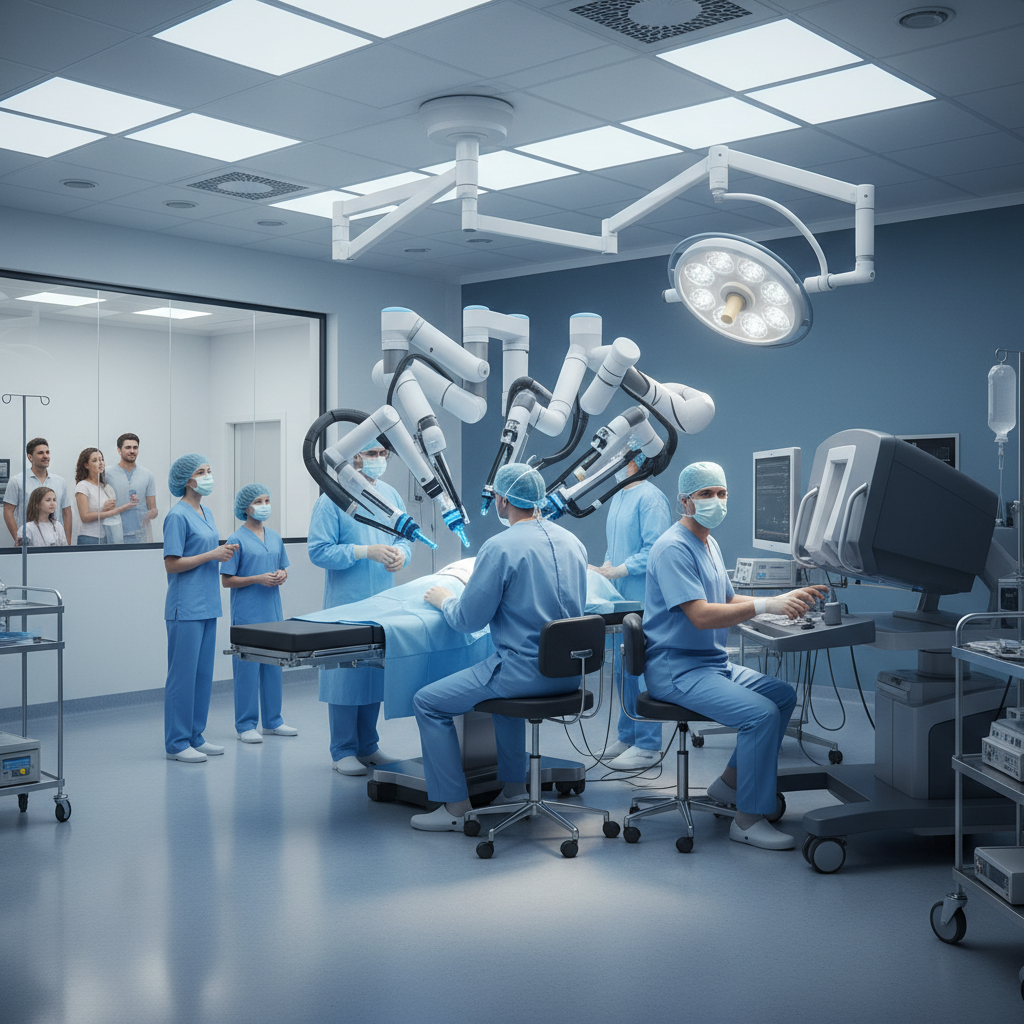
The rapid development of technology in the medical field is making surgical methods more precise, more comfortable and easier to tolerate for most patients. One of the most striking examples of this transformation is robotic surgery. the question “What are the advantages of robotic surgery?” is among the most frequently researched topics by patients who will undergo surgery, their relatives and even many people evaluating treatment options. Because the robotic surgery approach can provide significant benefits such as smaller incisions, less pain and faster recovery with minimally invasive robotic surgery principles.
In this article; We will discuss topics such as **what is robotic surgery, in which areas it is used, what robotic surgery brings to the surgeon in terms of precision and how the healing process progresses for patients from both patient perspective and surgeon perspective. We will also answer the question “Is robotic surgery safe?” in a realistic framework and share the points to be considered for those who are looking for Bahcelievler robotic surgery in Istanbul. Özel Aile Hospital, located in Bahçelievler, Istanbul, offers modern treatment options in the field of robotic surgery with its advanced technological infrastructure and expert physician staff.
What is Robotic Surgery (How is Robotic Surgery Performed?)
Robotic surgery is an advanced surgical method in which the surgeon performs the operation by controlling robotic arms through a console. The critical point here is this: The robot does not operate on its own; all control is in the surgeon. The surgeon monitors the operation site from the console with high image quality and performs surgical procedures by managing the robotic arms. This system can support more controlled movement and a more selective approach to tissues, especially in narrow and sensitive anatomical areas.
Robotic surgery is often referred to as a “minimally invasive” approach. In other words, it is aimed to perform the procedure through smaller incisions compared to traditional open surgery. The small incision approach can provide advantages in many areas such as postoperative pain, wound healing and return to daily life. Therefore, the answer to the question “what is robotic surgery?” is not only a description of technology, but also a definition of a comfort and precision-oriented approach in modern surgery.
When evaluating robotic surgery, the patient’s general health condition, type of surgery, anatomical features and the clinical opinion of the physician are considered together. The best choice of method is determined by your doctor after examination and tests.
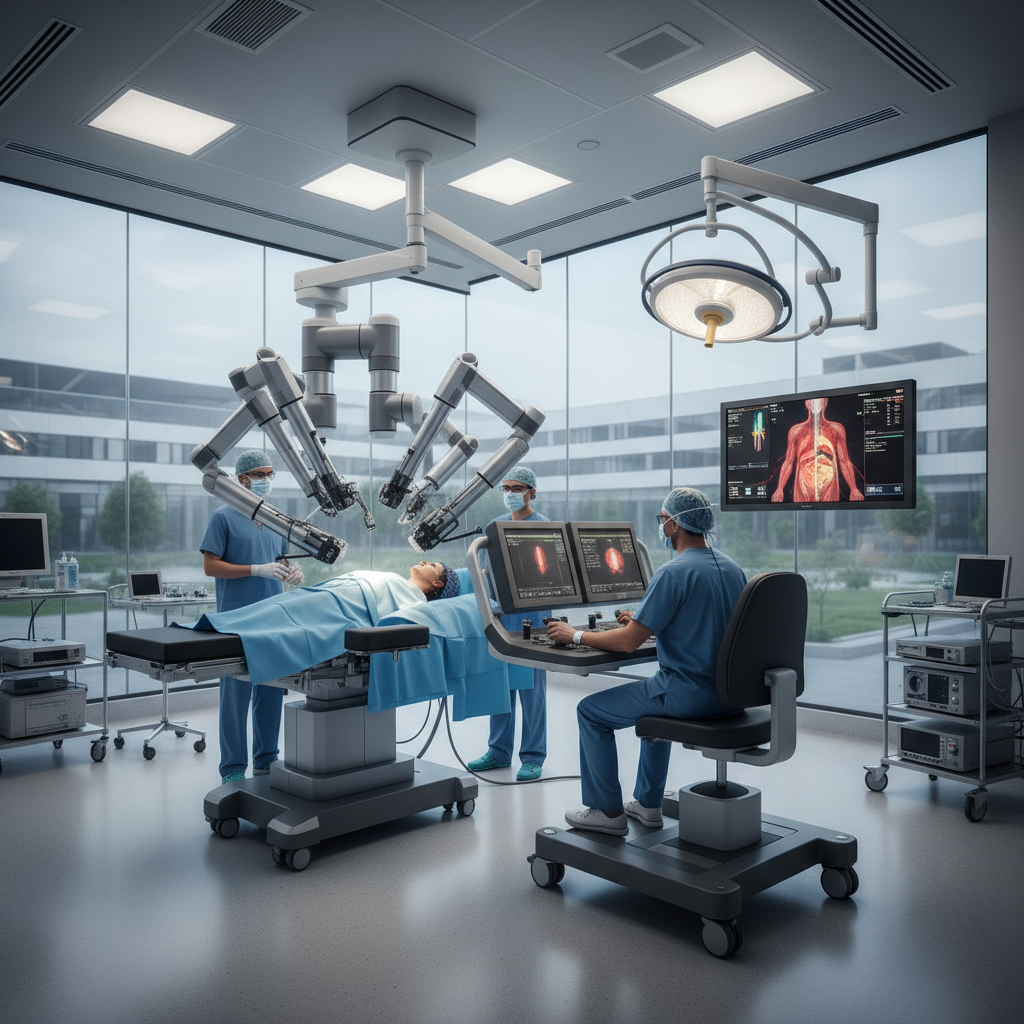
Advantages of Robotic Surgery (Patient Perspective): Less Pain, Faster Recovery
Patients are most curious about the impact of robotic surgery on daily life. Robotic surgery benefits are often associated with the gains of a minimally invasive approach. Of course, the results may not be the same in every patient; the speed of recovery and comfort level may vary depending on the type of surgery, the general condition of the patient and comorbidities. Nevertheless, in many cases, robotic surgery stands out with the following advantages:
Smaller Incisions (Minimally Invasive Robotic Surgery)
Smaller incisions compared to traditional open surgery can be used. This can lead to
- That the wound is smaller,
- It is easier to move after surgery,
- Makes scars look more minimal can contribute.
Less Pain and More Comfortable Recovery
Due to the smaller incision and more controlled tissue manipulation, postoperative pain levels can often be lower. This can support the patient to mobilize earlier and return to their daily routine more easily.
Robotic Surgery Recovery: Return to Daily Life
the reason for the increase in searches for “Robotic surgery recovery” is that patients want to clarify the plan for hospital stay and return to work. In robotic surgery:
- Length of hospital stay can be shortened,
- Return to daily activities may be sooner,
- Wound care and dressing can become more practical.
However, all of these topics should be evaluated with the principle of “it depends on the person and the surgery”.
Lower Risk of Bleeding and Reduced Risk of Infection (in Some Cases)
Thanks to the precision provided by robotic systems, more controlled protection of surrounding tissues may be possible; this may contribute to a lower risk of bleeding. Similarly, minimally invasive methods may have a lower risk of infection in some cases. However, since there are many factors that determine the risk of infection (type of surgery, patient characteristics, operating room conditions, wound care, etc.), your doctor’s recommendations are decisive.
Note: If you are interested in body contouring and surgical procedures, the following guides may also be useful to understand the dynamics of surgery planning and recovery: Liposuction Information Guide: Process, Risks and Who is it Suitable for? and Body Contouring with Liposuction: Techniques, Results and Care . (Each procedure is different; the aim here is to provide general awareness)
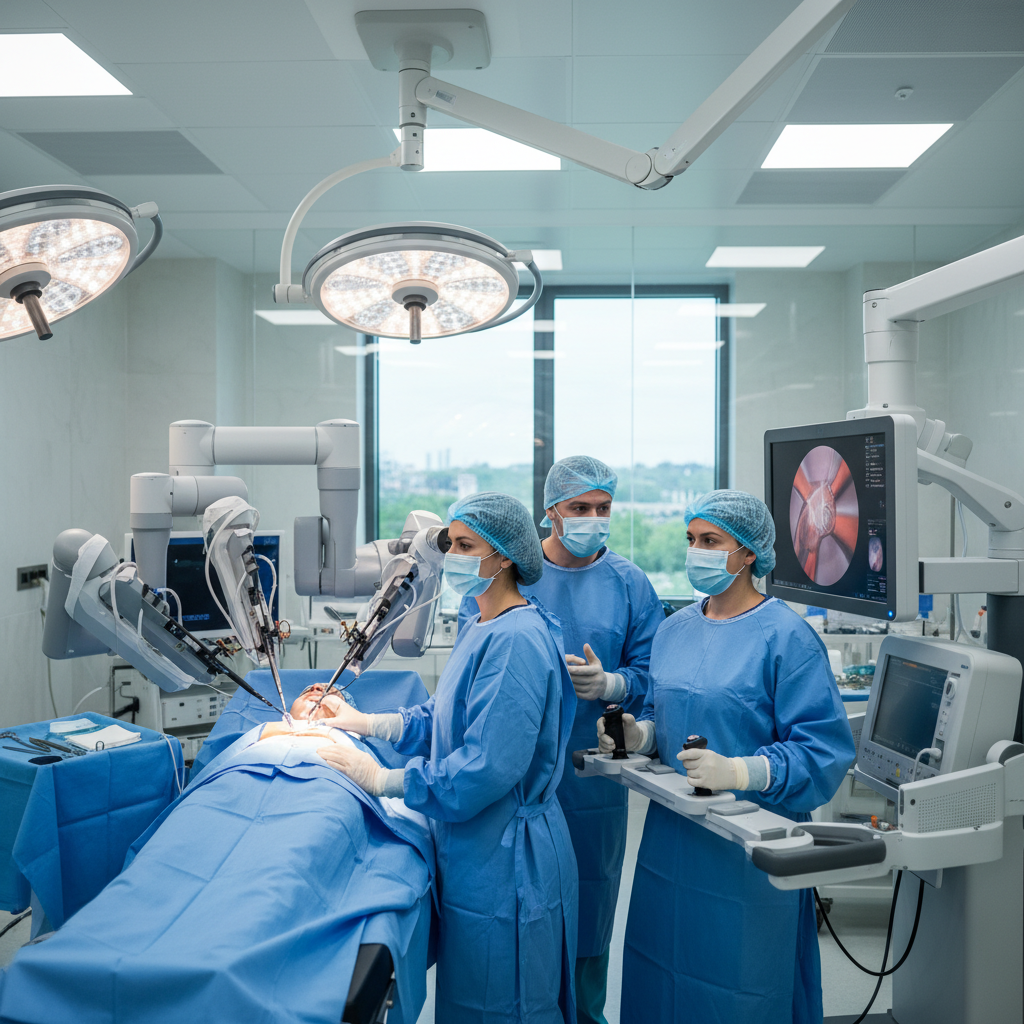
Surgeon Perspective: What Does Robotic Surgery Provide Precision and 3D Imaging?
Although robotic surgery is often discussed in terms of patient comfort, the detail seen by the surgeon and mobility play a critical role in the success of the method. Therefore, the issue of “robotic surgical precision” should be addressed separately from the surgeon’s perspective.
High Precision and Controlled Movement
Robotic surgical systems can offer a more controlled surgical workspace by transferring the surgeon’s hand movements to robotic arms. This control can help to protect tissues more selectively, especially in sensitive anatomical regions. As emphasized in the source text, robotic systems can create a surgical environment that can contribute to reducing the risk of bleeding, as the surrounding tissues can be protected in a more controlled manner.
3D and Detailed Imaging
One of the prominent advantages of robotic surgery is the ability to see the operation area in detail with three-dimensional imaging technology. A clearer image with a sense of depth:
- Distinguish tissue blueprints,
- Better assessment of the surgical field,
- To proceed more carefully in procedures requiring fine dissection can support.
Surgeon Comfort and Operations Management
In robotic surgery, the surgeon working from the console may provide advantages in terms of ergonomics and focus in some cases. Especially in long-lasting operations, the comfort of the surgeon may be considered important in terms of attention, continuity and performance management. Of course, the most decisive factor here is the application of robotic surgery by an experienced team.
Robotic Surgery or Laparoscopy?
Another common question asked by patients is “the difference between robotic surgery and laparoscopy”. Both methods are mostly considered as minimally invasive approaches. Robotic surgery may offer different advantages to the surgeon in terms of imaging and motion control. Which method is appropriate depends on the type of surgery, the characteristics of the patient and the physician’s assessment.
In Which Branches Is Robotic Surgery Used? (Robotic Surgery in Istanbul and Bahçelievler)
Robotic surgery can be applied in many branches today. for those looking for an answer to the question “In which branches is robotic surgery used?”, the main areas can be summarized as follows:
- General surgery: Robotic approach may be preferred in some intra-abdominal operations.
- Urology: Robotic surgery applications have become widespread in urological surgeries.
- Obstetrics and Gynecology: Robotic surgery can be evaluated in selected cases in gynecologic surgery.
- Obesity surgery: Robotic method may be among the options in some patients.
- Some cancer surgeries: Robotic approach may be considered in appropriate cases in oncologic surgery.
- Hernia operations: Robotic surgery can be applied in selected hernia cases.
It should be emphasized at this point: Robotic surgery is not mandatory or the “best” option for every patient and every operation. The most accurate decision is made based on the patient’s examination, imaging/tests and the doctor’s clinical assessment.
Is Robotic Surgery Safe?
As stated in the source text, robotic surgery is one of the safe and effective methods when performed by experienced surgeons. Here are the main factors affecting safety:
- The experience of the surgeon and the team,
- Correct selection of the patient and the right indication,
- Operating room standards and infection control,
- Preoperative information and postoperative follow-up plan.
And it is important to emphasize again: **The surgeon has full control during the operation
Evaluation for Istanbul Robotic Surgery and Bahçelievler Robotic Surgery
Accessibility and team experience are important criteria for patients seeking robotic surgery services in Istanbul. Özel Aile Hospital in Bahçelievler, Istanbul, offers modern treatment options in robotic surgery applications with its advanced technological infrastructure and expert physician staff. A physician evaluation can be scheduled to get detailed information about robotic surgery methods and to find out if they are suitable for you.
Since recovery processes vary from person to person, the following content can also be read for general awareness of postoperative care and expectations: Body Contouring with Liposuction: Techniques, Results and Care and Liposuction Information Guide: Process, Risks and Who is it Suitable for? .
Short FAQ: Most Frequently Asked Questions
**Does a robot perform robotic surgery? No, it does not. In robotic surgery, the surgeon manages the robotic arms from the console; the surgeon has full control.
**Will there be scars after robotic surgery? Scars may be more minimal as smaller incisions are usually used; however, skin structure and healing varies according to the individual.
**Can robotic surgery be applied to everyone? It may not be suitable for every patient. Suitability is assessed by the physician based on the type of operation and the general health of the patient.
**What is the robotic surgery recovery process like? Most patients may experience a faster recovery and a shorter hospital stay; however, the process varies depending on the surgery and the individual.
Medical information note: This article is for informational purposes; it is not a substitute for diagnosis and treatment. A doctor’s examination is necessary for the most accurate assessment.