

Despite diet and regular exercise, stubborn fat deposits in some areas can be permanent. These accumulations, which affect body proportions, especially in areas such as abdomen, waist circumference, hips or double chin, can reduce the motivation of the person. At this point, liposuction (also commonly known as “fat removal surgery”) stands out as a modern body shaping option that helps reduce regional fat. However, the most important point is this: Liposuction is not a weight loss method; the aim is to make the contour of the body more balanced and to clarify the lines.
In this guide, we will comprehensively address questions such as “What is liposuction?”, “How does the liposuction process progress?”, “What are the risks of liposuction?”, “Who is liposuction applied to?” and what should be considered during the “recovery after liposuction” period. We will also mention why the examination and follow-up process is important for those who search for Istanbul liposuction and especially Bahçelievler liposuction. (Note: This content is for general information purposes; the most accurate evaluation is made with a physician examination)
What is Liposuction? What Does Fat Removal Surgery Mean?
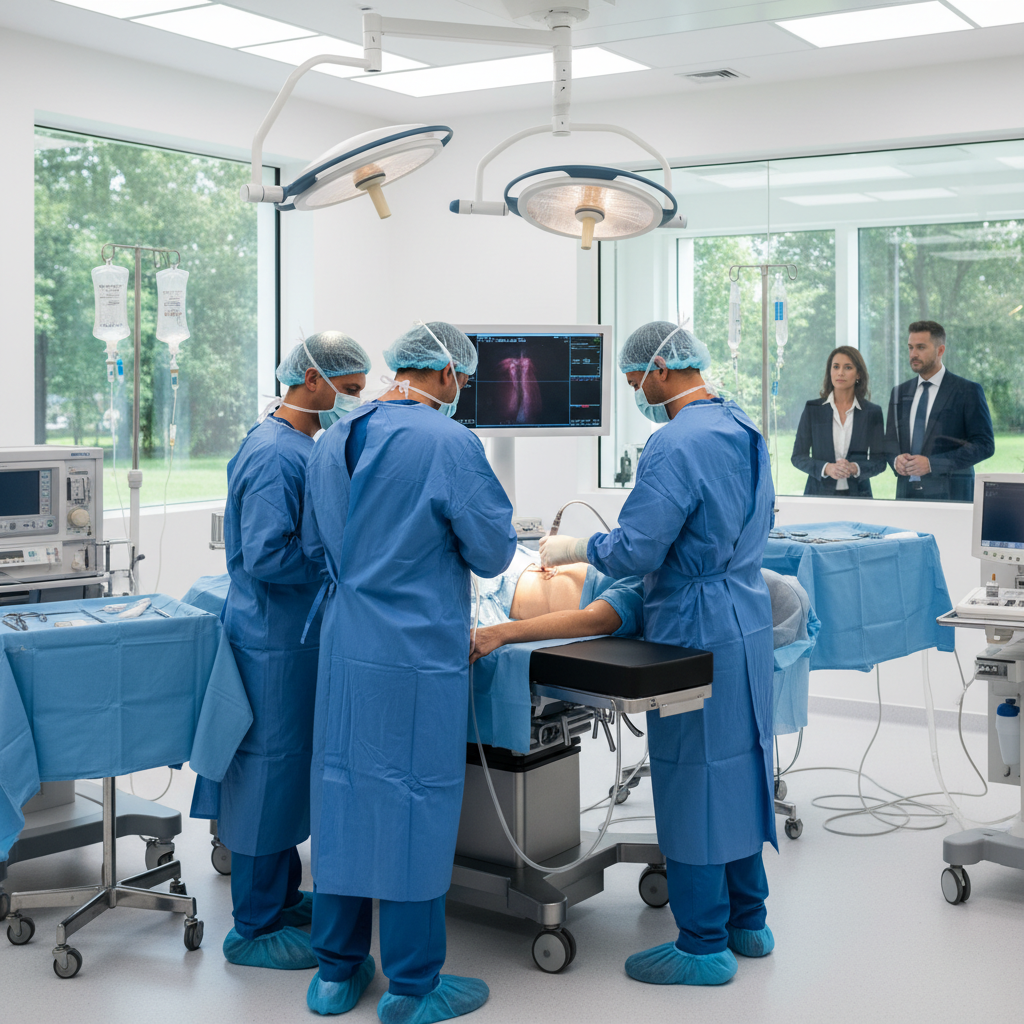
**What is liposuction? Liposuction is the process of removing excess fat tissue accumulated in certain parts of the body with the help of thin cannulas (special thin tubes) advanced through small incisions. The aim here is not to achieve a rapid decrease in weight, but to shape body contours, improve the posture of clothes and reduce the appearance of regional adiposity. For this reason, although the expression “fat removal surgery” is common among the public, it is more appropriate to think of liposuction with the approach of “regional thinning and contour correction” in order to understand it correctly.
Liposuction can be applied in large areas such as the abdomen and waist circumference, as well as in smaller areas such as the double chin. The method to be used may vary according to the patient’s fat tissue, skin elasticity, targeted area and the physician’s evaluation. As mentioned in the source approach, classical, Vaser or laser-assisted options can be preferred in the procedure.
Private Aile Hospital evaluates liposuction applications by making personalized planning with its expert aesthetic and plastic surgery team. Personalization is important here, as the same procedure can have different healing dynamics and outcomes for different people.
Which Areas is Liposuction Applied to? (Short Region-Based Guide)
Liposuction can help reduce fatty tissues accumulated in different parts of the body, as mentioned in the source text. The most common areas of application are:
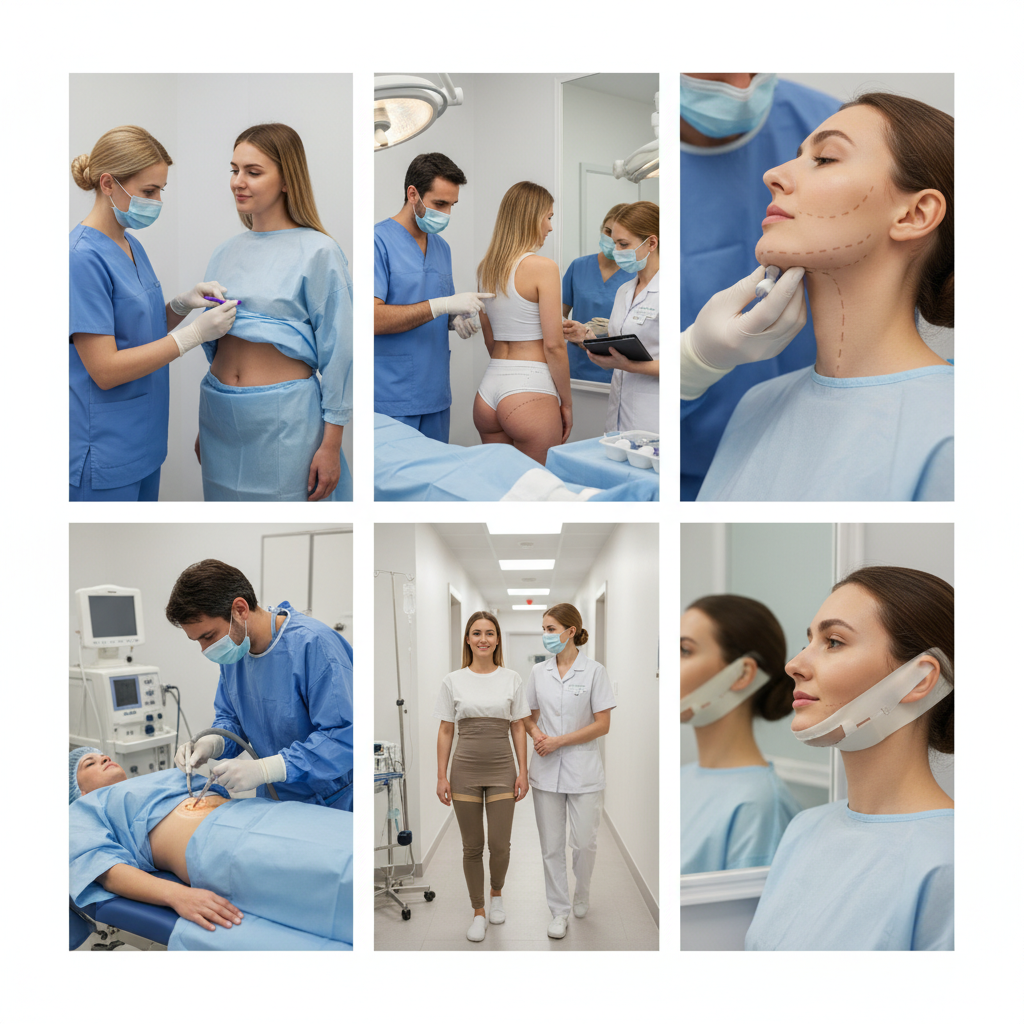
- Abdominal liposuction: The abdominal region is one of the most common areas of regional fat. The goal in abdominal liposuction planning is to make the abdominal contour more balanced.
- Liposuction around the waist: “Bagel-like” side waist fat deposits can create prominence at the waist of clothes. Contouring around the waist can make body proportions look more harmonious.
- Liposuction of the hips and buttocks: The hip area can be resistant, especially with genetic predisposition. Buttock liposuction can be planned by aiming for a more streamlined appearance in body contours.
- Liposuction around the knee and inside of the leg: Liposuction around the knee and inside of the leg are areas that are difficult to shape even with sports in some people. In these areas, the aim is not to “over-thin”, but to achieve a natural-looking contour.
- Liposuction of the arm: Fat on the back-side of the arm may cause discomfort in short-sleeved clothes. Skin elasticity is one of the important factors affecting the results in this region.
- Jowl liposuction: Fat accumulation in the jowl area can affect the facial oval. Face-neck ratio and skin structure are taken into account in the planning of double chin liposuction.
- Chest area in men (gynecomastia): In some cases, gynecomastia liposuction may be considered if fat tissue is in the foreground (suitability is determined by examination).
The choice of area is usually determined by the person’s complaints, examination findings and realistic goals. For more technical details and maintenance steps, you can browse the related content: Body Contouring with Liposuction: Techniques, Results and Care
Who Can Liposuction Be Performed? Suitable Candidate Profile and Unsuitable Situations
the answer to the question “Who is liposuction applied to?” does not depend on a single criterion. The most accurate decision is made by physician examination and personalized evaluation. Nevertheless, in general terms, the following features are common in suitable candidates for liposuction:
Suitable candidate profile (general framework)
- People who have regional adiposity and cannot achieve thinning in certain areas despite diet/exercise
- **People whose weight is relatively stable and close to the ideal weight (It should be remembered that liposuction is not a weight loss method)
- **People with relatively good skin elasticity (skin quality may affect post-procedure appearance)
- People with realistic expectations (the goal should not be “perfection” but a distinct and natural contouring)
Can you lose weight with liposuction?
This question is frequently asked on search engines: Does liposuction make you lose weight? Since fat tissue is reduced with liposuction, a change in weight can be seen; however, the procedure is not planned as weight loss surgery. The main goal is body shaping and contouring. Diet and exercise habits remain important for lasting and balanced results.
Who may not be suitable for?
As with any surgical/aesthetic procedure, liposuction may be postponed or different approaches may be recommended in some cases. For example
- General health condition is not suitable for the procedure
- Uncontrolled chronic diseases (assessment by a physician)
- Conditions such as active infection
- Unrealistic expectations or no lifestyle changes planned at all
At this point, the safest approach is to discuss the risks and benefits individually during the examination. Especially for people searching for Istanbul liposuction, access to follow-up and control appointments is as important as the procedure.
How the Liposuction Process Proceeds (Step by Step)
the “Liposuction process” usually starts with the examination and continues with the recovery period. The following steps provide a general roadmap:
1) Inspection and planning
The physician evaluates the distribution of fat, skin elasticity, complaints and goals of the person. At this stage, it is planned which areas will be treated and which technique (classical, Vaser liposuction or laser liposuction) will be preferred. Individualized planning is critical for both results and safety.
2) How is the procedure performed?
As stated in the source text, small incisions are made during liposuction and excess fat tissue is removed with the help of thin cannulas. Depending on the method, energy-assisted systems (Vaser/laser) can be used. Which method is appropriate depends on the target area, the characteristics of the fat tissue and the medical evaluation of the physician.
3) Early post-procedure period
After the procedure, effects such as edema, tenderness and bruising may occur. These effects vary from person to person. Acting as recommended by the physician during this period; especially corset use, fluid consumption and regular visits to controls support recovery.
For a broader framework on liposuction techniques and when the results are established, you can also review this content: Body Contouring with Liposuction: Techniques, Results and Care
What are the Risks of Liposuction? Side Effects and Risk Reduction Tips
As with every medical procedure, there are liposuction risks. The purpose of this section is not to cause anxiety but to help you make an informed decision. The level of risks may vary depending on factors such as the individual’s health status, the procedure area, the technique used and compliance with post-procedure recommendations.
Common temporary effects
- Swelling (edema)
- Porosity
- Sensitivity / pain (may vary depending on the person)
- Temporary hardness or discomfort when touched at the procedure site
These effects are usually considered part of the healing process and diminish over time.
More rare conditions (may require medical supervision)
- unevenness / rippling on the skin surface
- Fluid accumulation (e.g. conditions such as seroma)
- Signs of infection (redness, increased pain, discharge, etc.)
- Mismatch with expected outcome (may depend on individual healing response and skin characteristics)
In such cases, it is important to contact a health professional without delay.
Practical advice to reduce risks
- Choosing the appropriate candidate: The correct answer to the question “Who is liposuction applied to?” is the first step to reduce the risks.
- Sterility and expert team: It is important that the procedure is performed under appropriate conditions by an experienced team.
- Using the brace as recommended: The brace can support edema management and contour fit.
- Keeping follow-up appointments: If potential problems are recognized early, they can be managed more easily.
- Healthy nutrition and walking: Supports the healing process.
For a general perspective on surgical technologies and patient safety approach, you may also be interested in this article: What are the Advantages of Robotic Surgery? Patient and Surgeon Perspective
Recovery After Liposuction: Week by Week Expectations and Care
while “recovery after liposuction” varies from person to person, some general expectations and steps of care are guiding for most patients. Let us provide a more detailed framework based on the recommendations in the source text:
First 24-72 hours
- Rest is important; however, short and light walks can support circulation if recommended by the physician.
- **Drinking plenty of water can help the healing process.
- Swelling and bruises may be more prominent during this period.
Week 1
- **Regular use of the corset recommended by the doctor is very important. The duration and regularity of corset use is planned according to the individual.
- The return to daily life is gradual; heavy activities should be avoided.
- Reducing excessively salty foods in the diet may contribute to edema management.
2-4 weeks
- In most people, some of the edema starts to reduce, but it takes time for the results to fully settle.
- It is recommended to avoid heavy exercise for a while (the start time must be determined with the approval of the physician).
- Regular walking and a healthy diet support the body shaping goal.
Week 6 and beyond
- The contour may become more defined. However, the final appearance may take longer depending on the speed at which the person’s tissues heal.
- Lifestyle habits (diet, exercise, sleep) are decisive in maintaining outcomes.
Especially for people planning Bahçelievler liposuction in Istanbul, being able to come to these follow-up appointments regularly helps the healing process to progress healthily. Private Family Hospital aims to create a personalized evaluation and follow-up plan with its expert aesthetic and plastic surgery team. You can contact the hospital for detailed information and appointment scheduling.