What is Cataract? Symptoms, Treatment and Surgery Process

Cataract is a common eye disease that occurs when the lens of the eye loses its transparency over time and becomes cloudy, which can significantly reduce vision. the question “What is cataract?” is usually investigated after the onset of complaints such as blurred vision, scattered lights, difficulty driving at night. Although most commonly age-related, diabetes, long-term cortisone use, trauma, exposure to UV rays and some eye diseases can also accelerate cataract development.
In this article, you will find a comprehensive and understandable guide on cataract symptoms, cataract diagnosis, cataract treatment and the most common methods of cataract surgery (especially phacoemulsification/FAKO). We will also clarify the preoperative preparation, what to expect on the day of surgery, after cataract surgery care recommendations, frequently asked questions and YAG laser, which is often confused with the concern of “will cataracts recur?”. Our aim is to reduce anxiety with the right information and help you take the right step at the right time for your eye health.
What is Cataract? How is it formed and what are the types?
The natural lens, located inside the eye, behind the iris (the colored part of the eye), refracts light so that the image falls clearly on the retina. A healthy lens is transparent. Cataract develops when the protein structure of this lens changes and it loses its transparency and “fogs up”. Therefore, one sees as if through glass; colors may become faded and light may scatter.
How does a cataract develop?
The most common cause is aging. With age, deposits in the lens tissue increase and the lens loses its flexibility/transparency. But cataracts are not just a disease of old age.
Types of cataracts (most common)
- Nuclear cataract: Develops in the center of the lens; may increase myopia over time, distant vision may deteriorate.
- Cortical cataract: Starts at the edges of the lens; light scattering and glare may be more prominent.
- Posterior subcapsular cataract: develops near the posterior surface of the lens; especially reading and vision in bright light may be affected earlier.
Who is more common?
- Advanced age
- Diabetes (diabetes)
- Long-term steroid/cortisone use
- Cigarette smoking
- Intense exposure to UV light
- Eye trauma or previous eye surgeries
- Family history
In short, cataract is a slowly progressive condition that can significantly improve vision when treated at the right time.
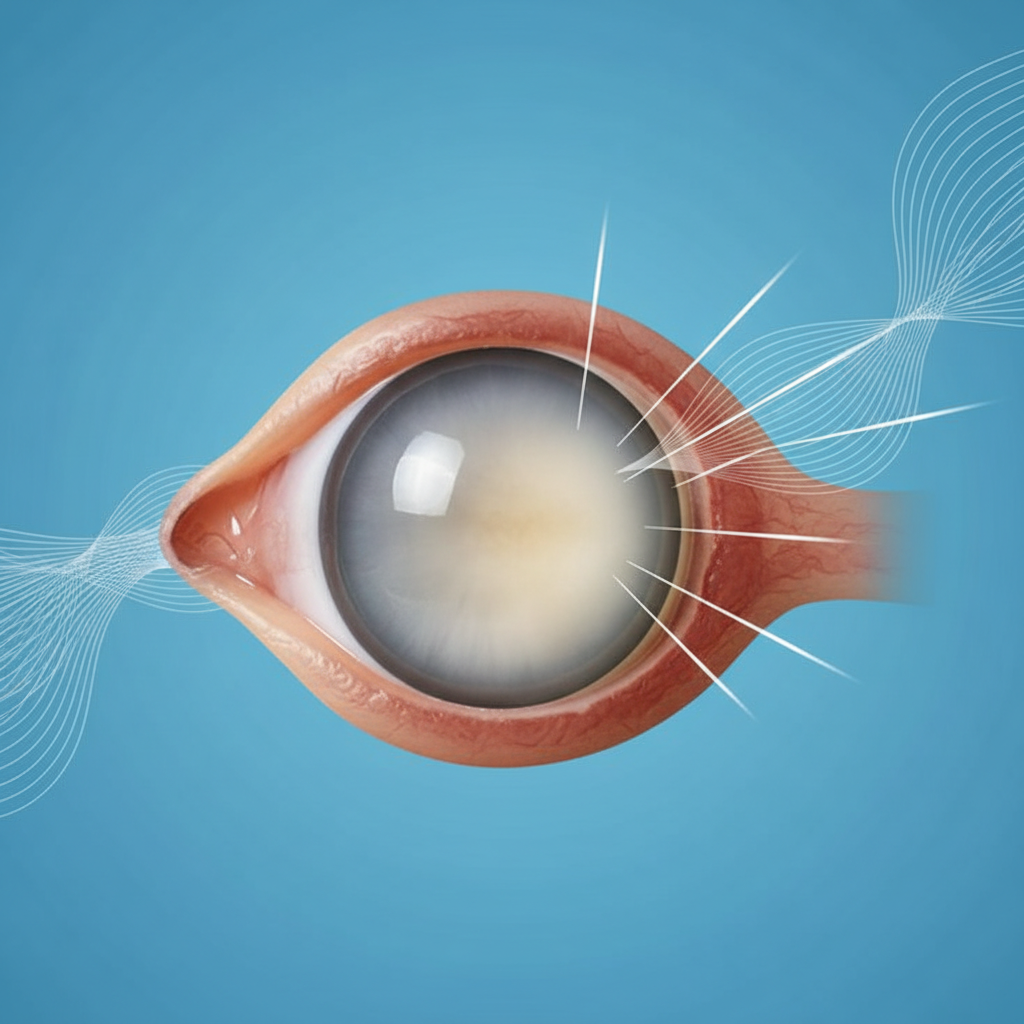
What are the Symptoms of Cataracts? When should you consult a doctor?
Cataract symptoms usually start slowly and the person may think for a long time that “my glasses number has changed” or “I see like this because I am tired”. However, as cataract progresses, complaints affecting daily life become more pronounced.
Most common cataract symptoms
- Blurred vision: Decreased clarity in distance or near vision
- Glare and light scattering: Scattering of headlight lights, especially at night
- Impairment of night vision: Difficulty driving at night
- Fading of colors: Loss of vividness of colors
- Frequent spectacle size change: Number change in a short time
- Double vision in one eye: Rarely, shadowing/double vision in one eye
Symptom-stage relationship: What happens in the early stages?
In the early stages, a person may manage in daylight, but may have more difficulty in the evening or under bright light. Reading and screen use may be affected earlier, especially in people with posterior subcapsular cataract.
When is urgent evaluation needed?
Cataract usually progresses painlessly. The following conditions may suggest non-cataract emergencies; an ophthalmologist should be consulted without delay:
- Sudden loss of vision
- Severe eye pain
- Intense redness and inability to look at light
- Light flashes, sensation of dropping curtains (important in terms of retinal problems)
These symptoms are conditions that should not be expected as “cataracts”. **The right step for diagnosing cataracts is a comprehensive eye examination.

How is Cataract Diagnosed? What is done during the examination?
the answer to the question “How to recognize cataracts?” lies in a detailed eye examination. **Cataracts can often be diagnosed in a short time, but more detailed measurements are needed if surgery is planned.
Common steps in cataract examination
- Visual acuity test: Distance and near vision is evaluated.
- Biomicroscope (slit lamp) examination: The type and degree of cataract are examined.
- Measurement of eye pressure: It is important in terms of concomitant conditions such as glaucoma.
- Fundus examination: Retina and optic nerve are evaluated. If the cataract is very dense, the fundus view may be limited; additional examinations may be required.
Why are preoperative measurements (biometry) important?
In cataract surgery, the clouded natural lens is removed and replaced with an intraocular lens (IOL). The number of this lens is calculated individually. For this reason:
- the length of the eye is measured by Biometry (intraocular lens measurement).
- If necessary, corneal measurements/topography may be performed (such as astigmatism assessment).
Comorbidities change expectations
If there are conditions such as diabetic retinopathy, yellow spot disease (macular degeneration) or glaucoma, the improvement in vision after surgery may vary from person to person. Therefore, the answer to the question “Will cataract surgery provide 100% clear vision?” should be evaluated together with the examination findings.
Cataract Treatment: Does it pass with medication, when is surgery needed?
**The most critical information when it comes to cataract treatment is this: There is no proven drop/drug treatment that dissolves or completely eliminates cataracts. In the early stages, when symptoms are mild, some methods may provide temporary relief, but the cataract may continue to progress.
What does the non-surgical approach provide?
- Updating the spectacle number
- Increased reading comfort with stronger lighting
- Glare-reducing lenses (especially for night driving)
These do not cure cataracts, they only support quality of life for a while.
When is surgery necessary?
In the past, the “let the cataract mature” approach was heard more often. In current practice, the decision is often made on the basis of:
- Does reduced vision affect daily life (driving, reading, work performance)?
- Does the cataract interfere with fundus evaluation or other eye treatment?
- What is the person’s visual need and expectation?
In other words, cataract surgery is planned according to the visual needs of the person, not just because “he/she has cataracts”. The most important step at this point is physician assessment and personalized planning.
How is Cataract Surgery (Phacoemulsification) Performed?
Today, the most common method is the phacoemulsification (FAKO) technique. the question “What is phacoemulsification?” can be answered simply as follows: It is the removal of the cataractous lens through a small incision using ultrasound energy and replacing it with an artificial intraocular lens.
Advantages of phaco
- Application through small incision
- Generally low need for stitches
- Fast recovery
- Potential for significant improvement in quality of vision
Duration of surgery and anesthesia
**Cataract surgery is performed under drip anesthesia (topical anesthesia) in most patients. Although the duration of the surgery varies according to the intensity of the cataract and the structure of the eye, it usually takes a short time. Most patients are discharged on the same day.
Intraocular lens (IOL) options
Lens selection is an important part of the surgery. Commonly used options:
- monofocal lens:** Monofocal lens:** Single focus; usually aimed for clarity for distance, glasses may be needed for near.
- Thoric lens: May help reduce astigmatism in people with astigmatism.
- Multifocal / EDOF lenses: Aim to reduce spectacle dependence in the far-near range; however, effects such as night light rings may vary depending on the individual.
Lens selection should be evaluated together with factors such as occupation, driving at night, presence of astigmatism and retinal health.
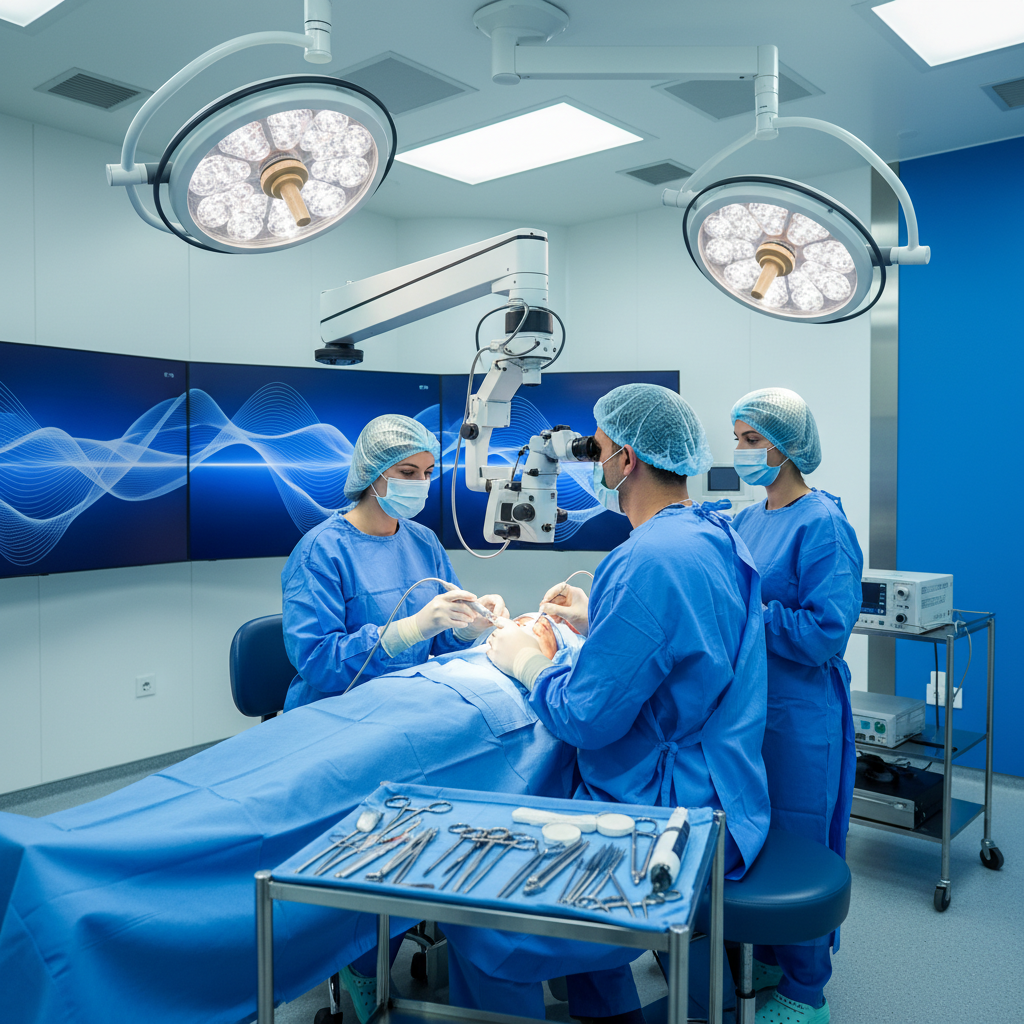
Cataract Surgery Process: Preoperative, Day of Surgery and Postoperative Checks
The cataract surgery process is not just about the moment of surgery; preparation and follow-up directly affect the results.
Preoperative preparation
- Medications (especially blood thinners) must be reported to the physician. The doctor decides whether to stop the medicine or not.
- Biometry and necessary measurements are completed; the intraocular lens plan is clarified.
- In some cases, pre-operative drip therapy may be planned.
What happens on the day of surgery?
- The eye is numbed with drops; pain during the procedure is usually minimal.
- The cataractous lens is removed and the selected intraocular lens is implanted.
- Discharge can be planned after a short rest.
Two eye surgery range
If both eyes have cataracts, they are usually operated on separate days. The timing of the second eye is determined by the recovery of the first eye, the level of vision and the physician’s plan.
After Cataract Surgery: Healing Guide, Drops and YAG Laser
**The most common goals after cataract surgery are to reduce the risk of infection, promote healing and stabilize visual quality.
Timeline for recovery (general expectation)
- First 24 hours: Stinging, watering, slight turbidity may occur.
- First week: Vision gradually becomes clearer; follow-up appointments are important.
- First month: Vision becomes more stable; the need for glasses (if any) is evaluated during this period.
Why is it important to use drops?
Antibiotics and anti-inflammatory drops may be prescribed according to the doctor’s plan. Regular use of the drops promotes healing and helps reduce the risk of complications.
Don’ts (general recommendations)
- Rubbing the eye
- Unprotected in dusty/dirty environments
- Lifting heavy, sudden strenuous exercises in the first days
- Entering environments such as pools/seas within the period not authorized by the physician
- Using eye makeup early on
Which complaints should I contact urgently?
- Increased eye pain
- Sudden decrease in vision
- Intense redness, burrs
- Flickers of light or sensation of curtain dropping
Does cataract recur? What is a YAG laser?
“Will cataracts recur?” is a very common question. Since the natural lens is removed, the cataract is not expected to come back in the same way. However, the capsule where the lens is placed may become dull over time. This is called posterior capsule opacification (secondary cataract). In this case, vision may become blurred again.
When this picture develops, a small opening is created in the capsule with YAG laser performed in outpatient clinic conditions to restore clarity of vision. The procedure usually takes a short time; return to daily life is planned in line with the physician’s control and recommendations.
Short note about price: What determines the price of cataract surgery?
Although it is natural to want a clear figure when researching cataract surgery cost, pricing can vary with lens type (monofocal/toric/multifocal), required measurements, other eye conditions, hospital package, and public or private insurance. The sound approach is to confirm a personal plan after an eye examination.
In local searches (for example cataract surgery Bahçelievler, cataract surgery price Bahçelievler, ophthalmologist Bahçelievler, cataract surgery Bakırköy, cataract surgery Şirinevler), the best step is still to choose based on experience, technology, follow-up planning, and clear information—not on slogans alone. People also often look for a cataract surgery appointment; what matters most is the right clinical assessment and an individual care plan.
Note: This article is for informational purposes; an ophthalmologist examination is required for diagnosis and treatment plan.