What is Tummy Tuck (Abdominoplasty)? Who is it Applied to and What is the Recovery Process?

Conditions such as postpartum sagging in the abdominal area, excess skin after rapid weight loss or relaxation of the abdominal muscles (especially diastasis / rectus diastasis) can affect both the appearance and daily life of the person, from clothing selection to posture. At this point, one of the most frequently wondered topics is the question of what is a tummy tuck. Abdominoplasty, medically known as abdominoplasty, is a surgical procedure that aims to restore excess skin and (in appropriate patients) loose abdominal muscles.
Tummy tuck surgery; It stands out by addressing problems such as sagging skin and muscle separation that “do not improve with sports alone”. However, as with any surgical procedure, choosing the right candidate and realistic expectations are very important. In addition, questions about the “abdominoplasty recovery process” (use of corset, drain, return to work, status of scars) are decisive in the decision-making process of patients.
In this article, we will discuss who is suitable for tummy tuck, the differences between mini tummy tuck and full tummy tuck, the difference between tummy tuck liposuction, scars and healing process with practical information week by week.
Medical warning: This content is for general information purposes; it is not a substitute for diagnosis and treatment. The best plan for you will be determined by a medical examination.
What is a Tummy Tuck (Abdominoplasty)? Which Problems Can It Fix?
Abdominoplasty is a surgical procedure that aims to remove excess skin accumulated in the lower-mid abdominal region and tighten the abdominal wall. Although it is popularly known as “tummy tuck”, the main goal is not only to reduce fat; especially to correct structural problems such as excess skin and muscle laxity.
In which cases is abdominoplasty beneficial?
- Postpartum abdominal sagging: The abdominal skin is stretched during pregnancy; after delivery, skin elasticity may not recover sufficiently in some people.
- Abdominal sagging after weight loss: “Empty” skin appearance may occur in the abdomen after rapid or large weight loss.
- Diastasis (rectus diastasis): Abdominal bulging, weakness and complaints about posture can be seen when the abdominal muscles are separated from the midline. the answer to the question “Will diastasis improve with abdominal stretching?” may be in the direction of improvement with muscle repair (plication) in many patients; however, the result varies according to the degree of diastasis and personal factors.
- Stretch marks: Tummy tuck does not guarantee complete elimination of stretch marks; however, some of the stretch marks, especially on the removed skin part can be removed. Stretch marks above the navel usually do not disappear completely.
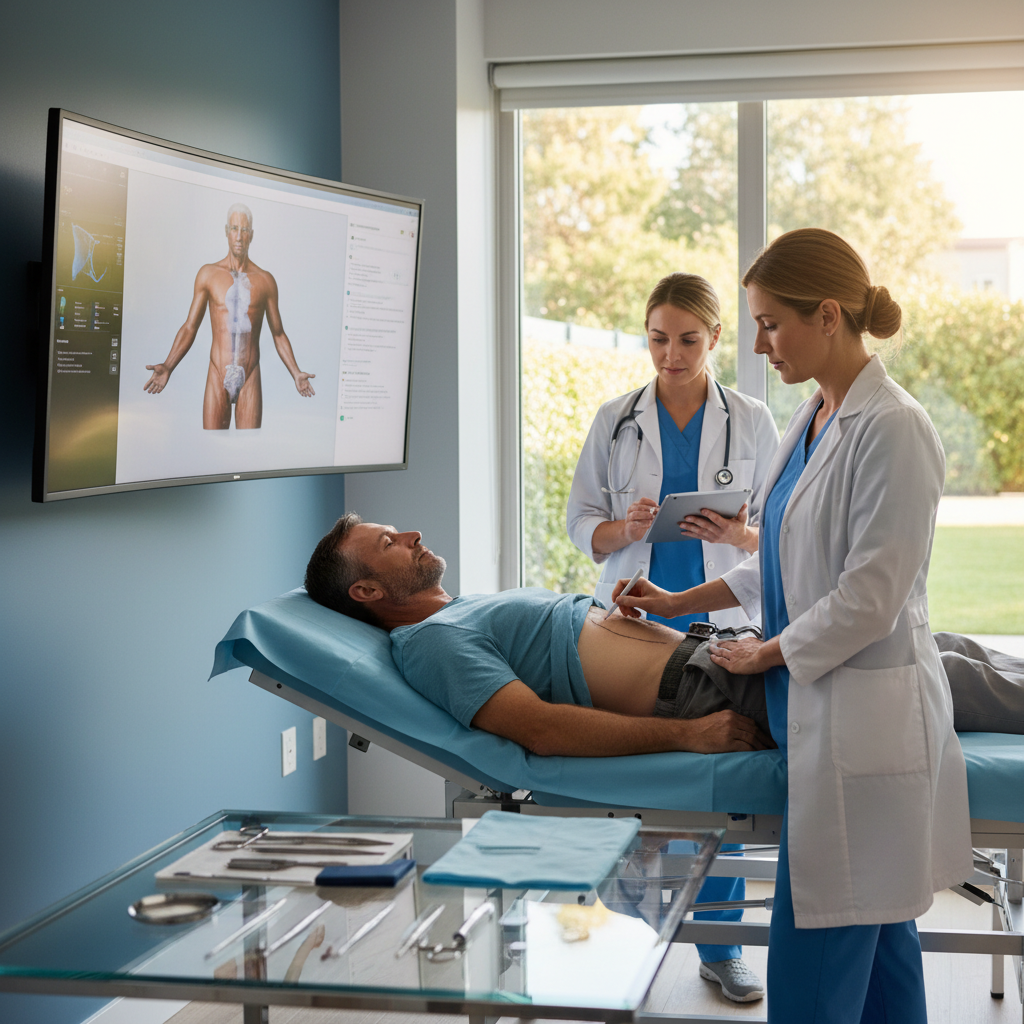
The question of how tummy tuck surgery is performed is also common: The procedure is usually planned under general anesthesia; excess skin is removed, muscle repair is performed if necessary and the new abdominal contour is created. The extent of the surgery depends on whether a mini tummy tuck or a full tummy tuck will be performed.
Who is a tummy tuck suitable for? Who is not suitable for tummy tuck?
the answer to the question “Who is a tummy tuck suitable for?” depends on the person’s general health status and expectations as well as their complaints. The best results are usually obtained in patients with a relatively stable weight and significant abdominal excess skin and/or diastasis.
Suitable candidate profile for tummy tuck
- People with weight control: Ideally, the weight has been stable for some time. If a lot of weight has been lost very recently, time may be needed for the body to settle.
- Postpartum abdominal sagging: Abdominoplasty may be considered especially if abdominal muscle separation and skin laxity are evident after birth. (It is generally recommended to wait for a certain period of time for the body to recover after birth; examination is essential for personalized planning)
- Those who do not recover in the abdominal area despite diet and exercise: Sports reduces the fat content and strengthens the muscles; however, it cannot always recover sagging skin.
- Suspected diastasis: Although simple tests at home can give an idea in the question “How to recognize diastasis?”, the definitive evaluation is made by physician examination and imaging if necessary.
Who is not suitable for (General framework)
- conditions that increase the risk of surgery such as uncontrolled diabetes, severe cardiovascular diseases
- Active infection or serious health problems that impair wound healing
- Advanced obesity (weight management plan may be recommended first)
- Smoking and nicotine use: Cigarettes, hookahs, e-cigarettes and nicotine-containing products can negatively affect circulation and wound healing. Avoiding nicotine for the periods specified by your physician is critical in reducing the risk of complications.
- Planned pregnancy in the near future: Repeat pregnancy may affect the result obtained.
Note: If you have had or are planning to have bariatric surgery, body contouring after weight loss may be an option. In this context, you can also take a look at the following content for general information about bariatric surgery: What is RNY Bypass (Roux-en-Y Gastric Bypass)? To Whom Is It Applied and How Is The Recovery Process?

Differences Between Mini Tummy Tuck and Full Tummy Tuck (Comparative)
Although it is thought that there is only one method when it comes to tummy tuck, two approaches are most commonly discussed in practice: mini tummy tuck and full tummy tuck. Which technique is appropriate is determined according to the location of the sagging, the amount of excess skin, the deformity around the navel and the degree of diastasis.
What is a mini tummy tuck and who is it suitable for?
Mini abdominoplasty is generally preferred for people with limited excess skin in the area below the belly button. example for the question “Who is suitable for a mini tummy tuck?” People with mild to moderate sagging in the lower abdomen and no significant deformity around the navel. In some patients, limited muscle repair can also be performed; however, not every diastasis can be resolved with the mini technique.
What is a full tummy tuck and who is it performed on?
Full tummy tuck is a larger procedure that covers both the lower abdomen and the area above the navel. It may be more appropriate if there is deformity around the belly button, diffuse excess skin and significant rectus diastasis. answer to the question “Who is a full tummy tuck performed on?”: Those who experience widespread sagging after childbirth and those with significant excess skin in the abdominal area after weight loss.
Mini vs Full tummy tuck: quick chart
| Feature | Mini Tummy Tuck | Full Tummy Tuck |
|---|---|---|
| Recovered area | Weighted below the navel | Below the navel + upper abdomen |
| The umbilicus | Usually not displaced | Repositioned in most cases |
| Incision | Can be shorter | Can be longer (planned at the bikini line) |
| Diastasis repair | In limited/appropriate cases | More extensive repair possible |
| Recovery | Can be relatively faster | Can be planned a little longer |
What is the difference between tummy tuck and liposuction?
This is also a much searched topic: the difference between tummy tuck and liposuction is basically this:
- Liposuction reduces excess fat; it does not solve excess skin and muscle separation alone.
- A tummy tuck (abdominoplasty) removes excess skin and repairs muscles if necessary; tidies up the abdominal contour.
In some patients, the answer to the question “is liposuction and tummy tuck performed together?” may be yes according to the physician’s evaluation (combined surgery). The aim is both to reduce fat around the waist/abdominal area and to eliminate sagging.
If you want to compare different surgical options for body aesthetics and appearance, this article may also be useful: What is Breast Aesthetics? Which Procedures are Applied and Who is Suitable for?
What is the Tummy Tuck Recovery Process? (Day by Day / Week by Week)
One of the most critical questions is the abdominoplasty recovery process. Recovery depends on the extent of the procedure (mini/full), the person’s general health, smoking/nicotine use, the physical burden of the work and compliance with the doctor’s recommendations. The timeline below is for general information purposes.
First 24-72 hours
- **Edema, tension and pain can be expected; medications prescribed for pain control should be used regularly.
- In the early period, short walks (as recommended by the doctor) support circulation and help reduce the risk of clots.
- In some patients a drain may be used. the answer to the question “When is the drain removed after abdominal stretching?” varies according to the individual; it is usually removed under the control of the physician as the amount of flow decreases.
- In some patients, compression applications and/or blood thinners may be planned by the physician to reduce the risk of clots.
Week 1
- Corset use is usually regular during this period. the physician determines the exact duration for the question “How many weeks after tummy tuck?”; regular use for a few weeks may be recommended in most protocols.
- Wound care and initial controls are important.
- “When can I take a shower after a tummy tuck?” is also a common question; in this regard, your doctor’s approval is essential depending on the incision and dressing status.
2-4 weeks
- Daily activities increase; however, sudden movements, heavy lifting and efforts that increase intra-abdominal pressure should be avoided.
- “When can I return to work after abdominal stretching?”: For most people, desk jobs can be done earlier and jobs requiring physical exertion can be done later (it depends on the individual).
- Edema may persist; in the question “when does the edema go down after a tummy tuck?” there is usually a significant decrease within weeks, but the final appearance takes longer.
Week 6 and beyond
- “When to exercise after a tummy tuck?”: In most people, transition to light exercises is considered during this period; doctor’s approval is required for movements that intensely strain the abdominal muscles.
- The scars may be more pronounced at first; they mature in color and texture over time.
3-6 months / 6-12 months
- The contour of the abdomen becomes clearer, edema is greatly reduced.
- in the question “When does the abdominoplasty scar disappear?”, the aim is not to “disappear completely”, but for the scars to become less prominent over time. Trail maturation can extend to 6-12 months.
Practical tips to facilitate the healing process
- Avoid smoking and nicotine products
- Walking and mobilization as recommended by the doctor
- Protein-intensive, balanced diet and adequate water consumption
- Using the corset for the recommended time and in the recommended manner
- Keeping controls
Scars, Risks and Factors Affecting Price after Tummy Tuck (Notes for Bahçelievler/Şirinevler/Bakırköy)
Do scars remain after a tummy tuck?
Yes, scar remains after a tummy tuck; however, the incision is usually planned to stay within the bikini/underwear line. In a full tummy tuck, there may be an additional scar around the belly button. The appearance of scars is closely related to skin structure, wound healing, genetic predisposition and care. For scar care, silicone-based products, sun protection and appropriate massage techniques may be considered.
Possible risks and complications
As with any surgical procedure, there are risks in abdominoplasty. The most common ones:
- Seroma (fluid accumulation)
- Infection, wound site problems
- **Hematoma (accumulation of blood)
- Deep vein thrombosis (DVT) / clot risk (especially with immobility, smoking, some additional risks)
- Conditions such as changes in sensation, asymmetry
The key to reducing the risks is proper patient selection, preoperative preparation (including smoking cessation), early postoperative mobilization and regular follow-ups. Since serious complications can develop, although rare, the decision to operate must be made with a physician’s assessment.
What does the price of a tummy tuck depend on?
searches for “tummy tuck price” and “abdominoplasty price” are very common; however, the exact price cannot be determined accurately without an examination. The main factors affecting the price:
- Type of procedure: mini tummy tuck or full tummy tuck?
- Addition of liposuction: will a combination of abdominoplasty + liposuction be planned?
- Hospital/operating room conditions, anesthesia, length of stay
- Materials used, drain requirement and follow-up plan
- Additional conditions such as previous surgeries and hernia
Local Searches: Bahcelievler, Sirinevler, Bakirkoy
the most accurate approach for local queries such as “Abdominoplasty Bahçelievler”, “abdominoplasty Şirinevler”, “abdominoplasty Bakırköy” is to clarify the needs during the examination and make a personalized plan accordingly. When choosing a clinic/hospital, it is useful to evaluate criteria such as location and transportation as well as postoperative control plan, accessibility in case of emergency and clarity of the follow-up process. When scheduling an appointment, be sure to ask which tests are requested during the “abdominoplasty appointment” process and the preoperative smoking/medication regulations.
If you are curious about other health-related surgical processes, the following article, as an example from a different branch, may also be helpful in understanding the surgical process and recovery steps: What is Cataract? Symptoms, Treatment and Surgery Process
Frequently Asked Questions (FAQ)
How many hours does tummy tuck surgery take?
The duration varies depending on whether it is a mini or full tummy tuck, whether liposuction is added or not and additional repairs. The exact time can be told after examination and surgery plan.
When can I shower after a tummy tuck?
It depends on the incision and dressing status. Do not plan a shower without your doctor’s approval.
How many weeks is the corset used after a tummy tuck?
The duration of the corset varies according to the person and surgical technique. Regular use for a few weeks is usually recommended; your physician will determine the best duration.
When is the drain removed after a tummy tuck?
If a drain is used, it is removed when the flow decreases and the doctor deems it appropriate. The duration may vary from person to person.
When can I return to work after a tummy tuck?
While an earlier return is possible in desk jobs, longer rest may be required in jobs that require physical exertion.
When can I exercise after a tummy tuck?
Light walking is usually recommended in the early period, but a gradual return to weight/abdominal exercises is planned with the doctor’s approval.
Can diastasis improve with exercise?
Appropriate exercise programs may be beneficial in mild cases; surgical options may be considered in cases of significant diastasis or accompanying excess skin.
What happens if I get pregnant again?
Pregnancy can stretch the abdominal wall again and affect the result. People who have a pregnancy plan must share this during the examination.