Plastic Surgery: Natural, Safe and Permanent Aesthetic Solutions

Plastic surgery is a broad specialty that covers both reconstructive (repair) and aesthetic surgery (improving appearance). Today, when we think of “plastic surgery”, we often think only of appearance; however, when planned correctly, plastic surgery aims for a natural appearance by preserving the face and body proportions of the person, can reduce functional problems and contribute positively to the quality of life. The critical point here is that the expression “natural, safe and permanent” is not a marketing slogan; it is a process that is possible with correct patient selection, personalized surgical planning, safe operating room conditions and regular follow-up.
In this guide, what is plastic surgery, differences from aesthetic surgery, the most preferred procedures (nose aesthetics/rhinoplasty, liposuction, breast aesthetics, facelift) and the realistic limits of “permanence” will be discussed. You will also find physician / center selection, aesthetic surgery risks, recovery schedule and practical suggestions before and after surgery for those looking for Istanbul plastic surgery. (Note: This content is for informational purposes; consult your physician for diagnosis and treatment)
What is Plastic Surgery? Difference with Aesthetic Surgery and “Natural Result” Criteria
Plastic surgery aims to repair congenital or acquired tissue loss (reconstruction) and improve appearance (aesthetic surgery). In other words, aesthetic surgery is a sub-field of plastic surgery. For example; while tissue repair after trauma, correction of burn scars are within the scope of reconstructive; nose aesthetics (rhinoplasty), mammoplasty, liposuction and face lift are more commonly known within the scope of aesthetics.
“Natural appearance” is not evaluated according to a single mold, but according to one’s own anatomy. The main criteria that determine the natural outcome are:
- Proportion analysis: Criteria such as nose-chin balance on the face, waist-hip ratio in the body.
- Tissue quality and skin elasticity: It is especially decisive in facelift and abdominal procedures.
- Expectation management: Not “perfect”, but “personalized and sustainable” goals are more realistic.
- Preservation of function: In rhinoplasty, not only shape but also breathing function is important.
Therefore, a good plastic surgery plan decides not only “what to do” but also “what not to do”. The surgeon’s task is not to make the person look like one type, but to preserve and improve the face and body character, especially in the increasing demands with the effect of social media.
The Basics of Safe Cosmetic Surgery: Correct Patient Selection, Risk Management and Clinical Standards
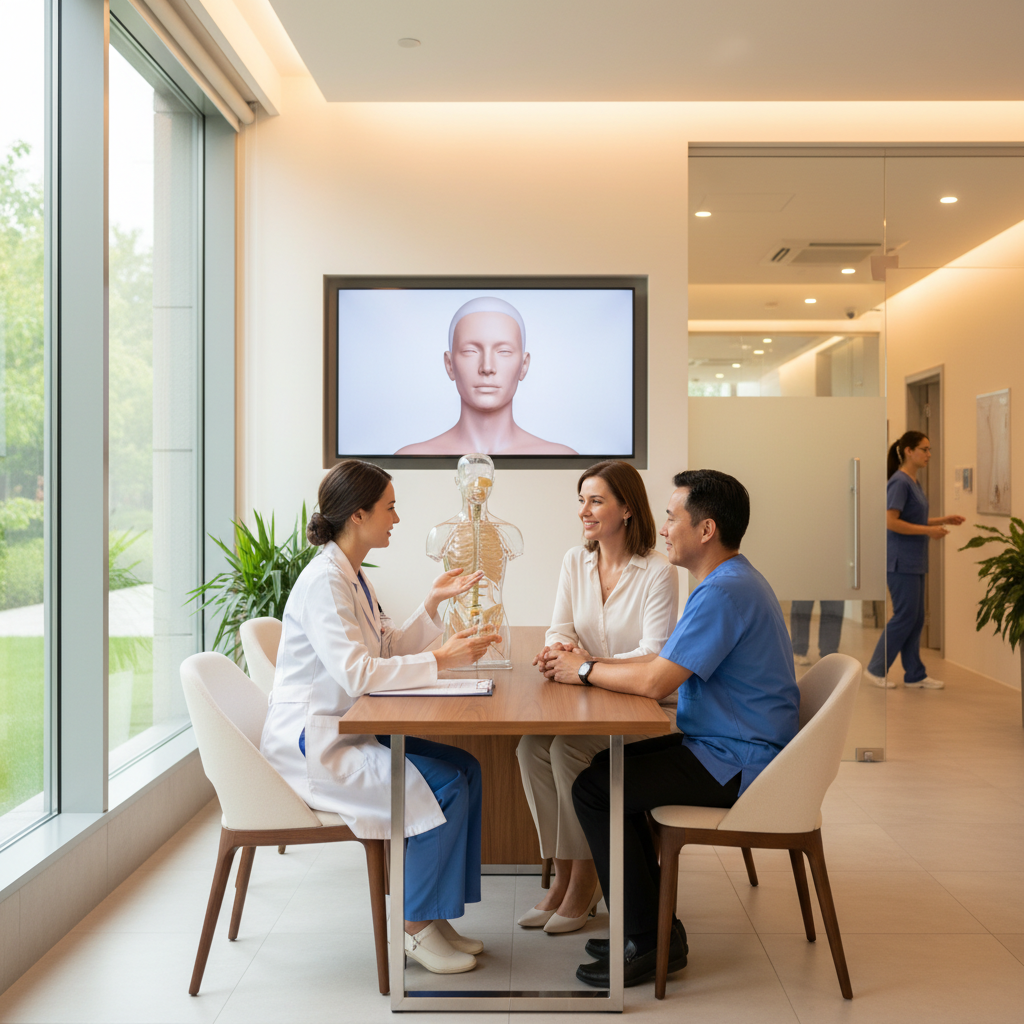
the answer to the question “**Is plastic surgery safe?” depends on the type of procedure, the patient’s health status, the surgeon’s experience and the standards of the center where the surgery is performed. The most important step to improve safety is correct patient selection and thorough assessment.
What is looked for in the preoperative evaluation?
- General health status and chronic diseases: Conditions such as diabetes, hypertension, thyroid diseases should be under control.
- Medications and bleeding risk: Blood thinners, some herbal supplements and painkillers may increase the risk of bleeding.
- Smoking: Smoking impairs tissue healing and increases the risk of wound problems and infection. It is important to quit for the period recommended by your physician.
- Body mass index (BMI): It plays a role in risk assessment, especially in liposuction and combined body procedures.
- Anesthesia assessment: “Risks of anesthesia” vary according to the individual; anesthesiologist examination is therefore critical.
Risks of plastic surgery and warning signs
As with every surgical procedure, there are risks in plastic surgery: bleeding, infection, clot risk, scarring, asymmetry, change in sensation, need for revision. In the postoperative period, symptoms such as fever, increased redness, foul-smelling discharge, sudden increase in swelling, shortness of breath, chest pain require urgent evaluation.
For a safe process, the surgery should be performed under the conditions of a properly equipped hospital/surgical center, in compliance with sterilization protocols, and with a clear postoperative follow-up plan. Especially in Istanbul plastic surgery searches, not only price/comment but also criteria such as follow-up system and complication management should be questioned.
As a related example, safety and suitability assessment is also very important in eye contour aesthetics. For more information on this subject: Eyelid Aesthetics: A Younger, Vigorous and Vital Look

The Most Preferred Aesthetic Surgery Procedures: Rhinoplasty, Liposuction, Breast Aesthetics and Facelift
The most searched procedures in the field of plastic surgery are usually those that affect facial and body contours. Below you will find the most frequently searched procedures in a brief but comprehensive framework.
Rhinoplasty (Rhinoplasty)
Rhinoplasty or rhinoplasty aims to improve the shape and/or breathing function of the nose. “**Open rhinoplasty or closed rhinoplasty?” is a common question; the choice depends on the structure of the nose, the scope of the correction and the surgeon’s plan.
- Rhinoplasty recovery process: Splint/banding period in the first week, reduction of bruises and swelling, significant recovery in the 1st month, shape settling in 3-6 months, thin edema may be expected to continue up to 12 months in some patients.
- Frequently asked questions: “**When does the swelling go down after rhinoplasty?” It depends on the person; especially nasal tip edema may take longer.
- Revision issue: Sometimes minor corrections may be required; the answer to the question “when is revision rhinoplasty performed” is usually to wait for the tissues to heal completely (usually months).
Liposuction
Liposuction is a body contouring procedure to reduce regional fat deposits. The most important point is this: Liposuction is not a “weight loss” method, but a contour correction procedure.
- “**Is liposuction permanent?” Although fat cells are reduced, the remaining fat cells can grow with lifestyle and weight gain. Nutrition and movement patterns are important to maintain the result.
- “**How many days after liposuction?” The duration of the corset varies according to the application and the physician’s protocol; regular use for weeks is recommended in most plans.
- “The difference between liposuction and tummy tuck” is also frequently asked: While abdominoplasty targets sagging/skin excess and muscle laxity, liposuction focuses more on fat tissue.
Breast aesthetics
**Breast aesthetics can be performed for different purposes such as breast augmentation, lift and reduction. the question “**Will breast aesthetics leave scars?” is natural; scars may be inevitable in surgery, but the location, length and obscuring of the scars over time depends on the person and technique.
- In augmentation, implant selection, tissue structure and targeted appearance are important.
- In lifting, the degree of sagging affects the scar plan.
- Reduction in size can aim to reduce both aesthetic and complaints such as back and neck pain.
Face lift
Facelift aims to reduce sagging and deep wrinkles caused by aging. the answer to the question “**How many years does a facelift last?” depends on age, skin quality, genetics, sun exposure and lifestyle. A facelift does not stop aging; however, it “takes the face back” to a more vigorous point and the result changes gradually over the years.
Persistence and Recovery: Realistic Expectations, Care Recommendations and Examination Questions
the word “permanent” should be treated with caution in plastic surgery. Plastic surgery results can be long-lasting; however, the body changes over time. Factors such as weight gain and loss, pregnancy, sun damage, smoking, stress and sleep patterns can affect the appearance of the results. Therefore, “retention” should often be considered in conjunction with outcome protection strategies.
Practical preoperative preparation list
- If you smoke, quit for the period recommended by your doctor.
- List all medications and supplements (including herbal products) you are taking.
- Adjust your work/school plan according to the recovery period: “**When to return to work after aesthetic surgery?” It depends on the scope of the procedure; an earlier return can be planned for desk jobs and a later return for physical jobs.
- Plan support for the first days at home (especially for combined procedures).
Basic principles of postoperative care
- Follow the medication and dressing plan given by your doctor.
- Pay attention to the recommendations for heavy exercise and activities such as hot showers/baths in the first weeks.
- Do not interrupt the use of corset/bandage recommended for swelling/edema management.
- if you experience “signs of post-operative infection” (increased pain, redness, discharge, fever), contact the healthcare team without delay.
Questions to ask at the first examination (checklist)
- What is the most suitable method for me and why?
- What is the expected recovery schedule (1st week/1st month/3-6 months)?
- What are the possible complications and early warning signs?
- In which cases does the possibility of revision arise?
- How many controls does the postoperative follow-up plan include?
The “right candidate selection and sustainable results” approach is also important in different branches of health. For a comprehensive overview of weight management and metabolic health, for example: Obesity Treatment: Permanent Weight Loss and Safe Step to Healthy Living
Frequently Asked Questions (FAQ)
Can the risks of plastic surgery be completely eliminated?
No. However, risks can be reduced with the right center, the right surgeon, appropriate patient selection and good follow-up.
When does the swelling go down after rhinoplasty?
Significant swelling decreases in the first weeks; subtle edema at the tip of the nose may take longer. Full settlement may take 6-12 months for some people.
Is liposuction permanent?
Fat cells are reduced; however, if weight gain occurs, the body can store fat again. The permanence of the result is closely related to lifestyle.
How many years does a facelift last?
It depends on the person. Aging continues, but the face is “rolled back” to a younger appearance and gradual change occurs over the years.
Internal Connection Recommendations
- Eyelid Aesthetics: A Younger, Vigorous and Vital Look
- Obesity Treatment: Permanent Weight Loss and Safe Step to Healthy Living
- Smart Lens Treatment: Clear Vision Without Glasses Is Now Possible
- [Brain Surgery: Safe and Effective Treatment with Advanced Technology](/saglik-rehberi/beyin-cerrahisi-ileri-teknolojii-ile-guvenli-ve-etkili- tedavi/)