Eyelid Aesthetics (Blepharoplasty): A Younger, More Energetic and Vibrant Look
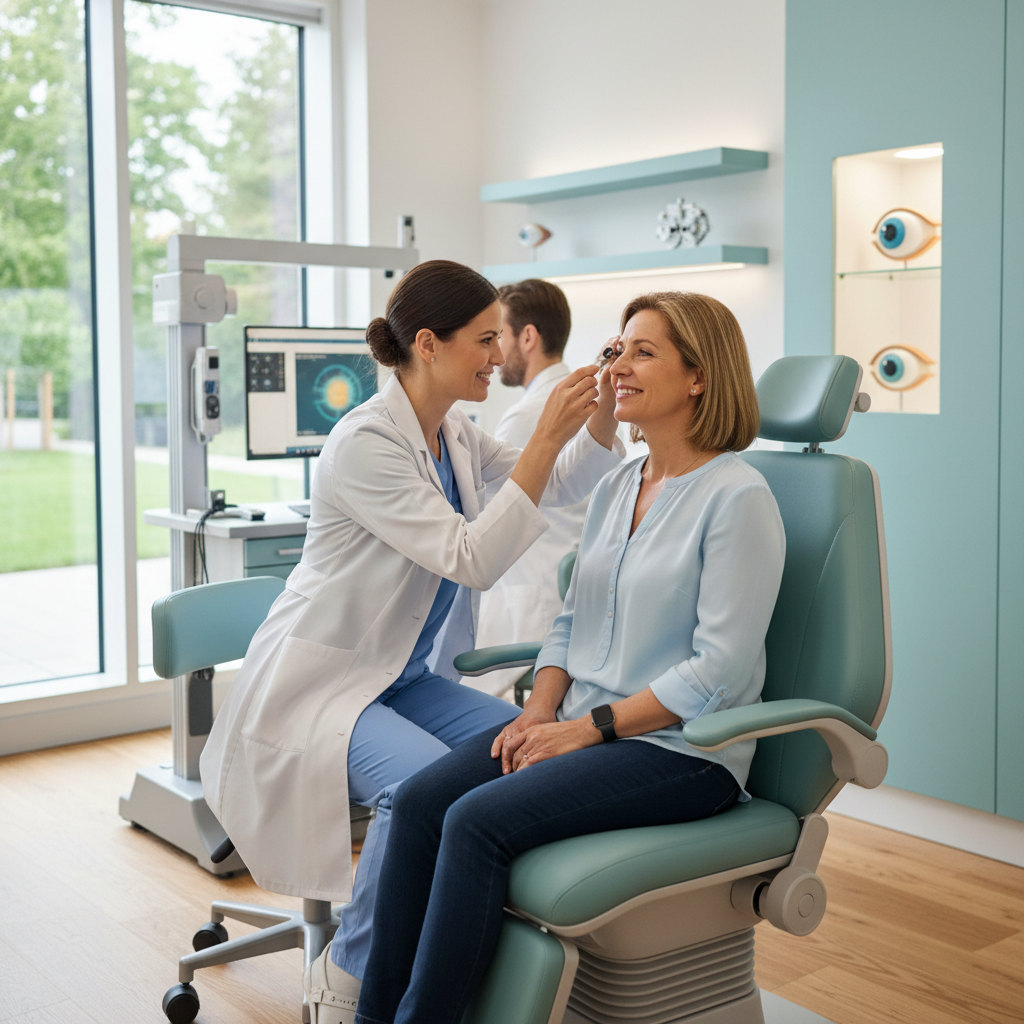
The eye area is one of the first regions to reveal facial expressions. Over time, decreased skin elasticity, gravity, genetic predisposition, sun damage, and lifestyle factors can accentuate sagging eyelids, under-eye bags, fine wrinkles, and a “tired look.” These changes not only create aesthetic concerns; when excess skin on the upper lid increases, it can narrow the visual field, affecting the quality of daily life. At this point, eyelid aesthetics (medically known as blepharoplasty) is an effective option that can provide both a livelier, fresher look and functional relief.
In this article, we will comprehensively cover what people wonder about eyelid surgery: The differences between upper and lower lid aesthetics, the complaints for which it is preferred, who is suitable for it, how the surgery is performed, the recovery process, potential risks, and non-surgical alternatives for “tired look treatment.” We will also include planning suggestions for those considering eyelid aesthetics in Istanbul.
What is eyelid aesthetics (blepharoplasty)? Differences between upper and lower lids
Eyelid aesthetics is the general name for surgical procedures aimed at reducing signs of aging around the eyes and creating a more balanced eye contour. It is also commonly known as an “eyelid lift.” Blepharoplasty can be planned as upper eyelid aesthetics, lower eyelid aesthetics, or a combination of both, depending on needs and examination findings.
What is upper eyelid aesthetics?
The most common problem in the upper lid is excess skin and sometimes the herniation of fat tissue forward. This condition can manifest as:
- Sagging and folding in the lid,
- Crease marks and irregularities when applying makeup,
- A heavy feeling in the eyelids throughout the day,
- Narrowing of the visual field in advanced cases. In upper blepharoplasty, excess skin is removed, fat tissue is reshaped if necessary, and the plan is made to preserve the natural eyelid crease.
What is lower eyelid aesthetics?
In the lower lid, the focus is more on:
- Under-eye bags (prominence of fat tissue),
- Under-eye hollowness / tear trough,
- Skin laxity and fine wrinkles. In lower blepharoplasty, bagging can be reduced, and in some patients, fat tissue can be repositioned to fill the hollowness instead of being removed. The goal is not to obtain a “flatter” look, but a natural and rested under-eye transition.
Note: Eyelid drooping (ptosis) can be a muscle-related problem and may require a different surgical approach than blepharoplasty. Therefore, the evaluation must be clarified through a physician’s examination.
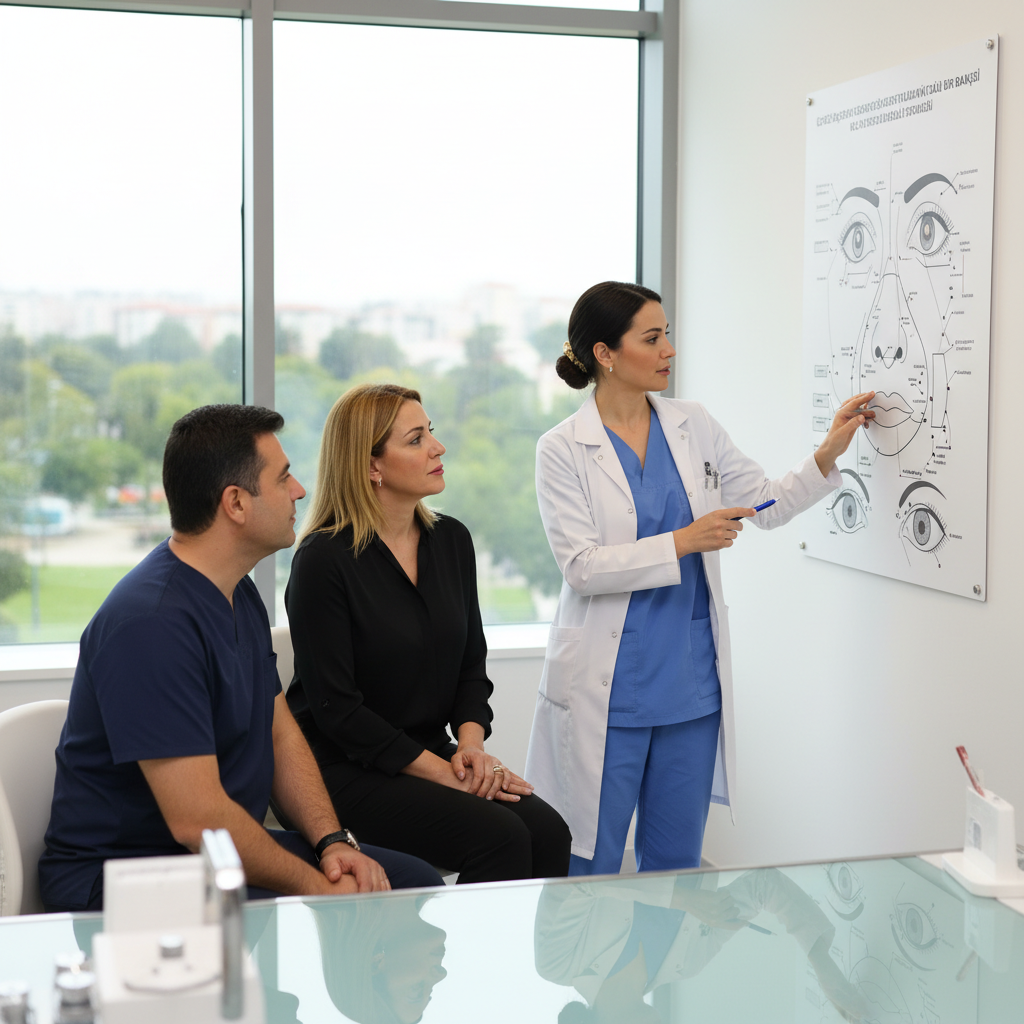
When is it preferred? Sagging eyelids, under-eye bags, and a tired look
The most common reasons for seeking blepharoplasty are situations where both aesthetic and functional complaints are seen together. If you have the following complaints, an evaluation within the scope of eye area aesthetics may be beneficial:
1) Sagging eyelid and visual field impairment
As excess skin on the upper lid increases, the person may try to see by raising their eyebrows. This can increase the feeling of fatigue and headache in the forehead area by the end of the day. Some patients also complain of “constantly looking tired/sad in photos.” Upper eyelid aesthetics opens up the gaze and gives a fresher expression in suitable patients.
2) Under-eye bags and puffy appearance
Under-eye bags can be seen at early ages due to genetics. Although sleep irregularity, salt consumption, allergies, and certain systemic conditions accentuate bags, the underlying cause of persistent bagging is often anatomical. With lower eyelid aesthetics, bagging can be reduced, and the under-eye transition can be softened.
3) Causes of “tired look” and choosing the right treatment
Tired look treatment should not be reduced to a single method. A tired appearance can be formed by a combination of multiple factors such as lid sagging, brow droop, tear trough deformity, volume loss, deterioration in skin quality, or crow’s feet. Therefore, in a good examination:
- Upper lid excess skin,
- Eyebrow position,
- Under-eye bagging/hollowness balance,
- Skin quality and wrinkles are evaluated together. In some patients, blepharoplasty alone is sufficient, while in others, a more natural result is aimed for with complementary applications such as fillers/botox/lasers.
Aesthetic planning for the eye area may require a broader approach. For a general overview, you can also take a look at our Plastic Surgery: Natural, Safe, and Permanent Aesthetic Solutions content.

Who is suitable, who might not be? (Candidate selection and examination criteria)
Who can have eyelid aesthetics? Generally, people whose health condition is suitable, who have realistic expectations, and whose eye area anatomy is conducive to surgery can be candidates for blepharoplasty. Age is not the sole determinant; due to genetic factors, eyelid surgery can be planned even in the 30s.
Common characteristics in suitable candidates
- Significant excess skin and sagging eyelid on the upper lid
- Persistent under-eye bags on the lower lid
- Tired expression caused by aging around the eyes
- General health status suitable for surgery
Situations requiring caution (physician evaluation is mandatory)
In some cases, the risk may increase, or a different approach may be required:
- Dry eye complaint (especially at advanced levels)
- Diseases affecting the eye area, such as Thyroid Eye Disease
- Use of blood thinners (planning under doctor control is required)
- Chronic diseases like diabetes, hypertension (must be under control)
- Smoking (can negatively affect healing)
During the examination, the physician evaluates the eyelid skin, fat tissue, muscle structure, brow position, eye surface (dryness), and facial proportions together. Thus, a personalized answer is created to the question “Upper blepharoplasty, lower blepharoplasty, or combined eye area aesthetics?”.
How is eyelid surgery performed? Scars, anesthesia options, and the recovery process
This section is prepared to give clear answers to the most frequently searched questions such as “eyelid aesthetics recovery process” and “will there be scars?”.
Anesthesia and surgery duration
Blepharoplasty can be performed with local anesthesia, sedation, or general anesthesia depending on the patient’s needs. The duration of the procedure varies depending on whether upper/lower lids are done and additional applications, but same-day discharge is possible for most patients (according to the physician’s plan).
Where are the incisions made, will there be scars?
- Upper eyelid aesthetics: The incision is usually placed in the natural lid crease. This way, the scar is not noticeable in most people once healing is complete.
- Lower eyelid aesthetics: The incision can be planned from an area close to the lash line or, in some cases, from inside the eyelid (transconjunctival). Which method is suitable is determined by the evaluation of bagging, excess skin, and tear trough.
Recovery process: Day by day / week by week practical guide
Although recovery varies from person to person, the following timeline gives a general idea:
First 24–48 hours
- Swelling and bruising can be expected.
- Cold application, keeping the head elevated, and resting as recommended by the physician are important.
- Emergency evaluation may be required in cases of sudden increased pain, decreased vision, or significant bleeding.
1st Week
- This is the period when bruising/swelling is most prominent.
- Stitches (if any) are usually removed according to the physician’s plan.
- The answer to “How many days does eyelid surgery take to heal?” starts here: Many people return to social life more comfortably within 7–10 days; however, it may take longer for bruises to completely disappear.
2–4 Weeks
- Swelling largely decreases, and the eye area begins to look more natural.
- Timing for activities such as makeup, lens use, and sports must be planned according to the physician’s recommendation (every patient’s healing is different).
1–3 Months
- It takes time for the tissues to fully settle and the final result to become apparent. Patience and attending regular check-ups are important during this process.
Blepharoplasty can be evaluated as part of a facial rejuvenation approach. If you would like to learn about different treatments concerning eye health along with the eye area, you can also review our article Smart Lens Treatment: Clear Vision Without Glasses is Now Possible .
Risks, complications, and planning suggestions for eyelid aesthetics in Istanbul
As with every surgical procedure, there are eyelid aesthetics risks. The important thing is transparent discussion of risks, correct patient selection, and compliance with post-operative recommendations.
Possible risks (general information)
- Bleeding, infection
- Asymmetry or healing of scars differently than expected
- Temporary dryness, sensitivity, tearing
- Rare conditions like retraction in the lower lid (ectropion)
- Requirement for revision (rare; may depend on anatomical factors)
When should you consult a doctor? Symptoms such as severe and increasing pain, sudden change in vision, excessive swelling on one side, intense bleeding, fever, or significant discharge should be evaluated without delay.
Practical process for those considering eyelid aesthetics in Istanbul
For users searching for Istanbul eyelid aesthetics, the most curious topics are generally “examination–surgery–control plan.” For patients coming from within the city or out of town:
- Photo analysis and personalized planning are done at the first examination.
- Appointments such as surgery day/next day check-up and 1st-week check-up can be planned.
- For those coming from out of town, the return date should be set according to the control calendar recommended by the physician.
Your general health status, medications you use, and accompanying diseases can affect surgical planning. For a broader perspective, especially regarding chronic disease management and safe treatment approaches, the content Obesity Treatment: A Safe Step to Permanent Weight Loss and Healthy Living may also be useful (although not directly related to surgery, it guides on general health optimization).