Brain Surgery (Neurosurgery): Safe and Effective Treatment with Advanced Technology
Neurosurgery, or brain and nerve surgery (neurosurgery), is a critical medical field that covers the diagnosis and treatment of many diseases involving the brain, spinal cord, nerves and spine. Today, thanks to advanced technology, important advantages for the patient such as “smaller incisions, more precise surgical planning, safety steps to protect nerve tissue and faster mobilization” are aimed. Of course, there is no one right method for every disease and every patient; treatment is individualized according to many factors such as the severity of the complaint, imaging findings, comorbidities and lifestyle.
In this article, we will comprehensively discuss which diseases neurosurgery deals with, how the diagnosis-treatment approach is shaped in common conditions such as brain tumor, lumbar hernia, neck hernia and spine surgery, how to answer the question “when is surgery necessary?” and what awaits patients before/after major decisions such as brain surgery. We will also share practical criteria to help you choose the right center, especially for those looking for Istanbul neurosurgery.
What Does Neurosurgery (Neurosurgery) Look For?
**As the name suggests, neurosurgery is not a branch that only performs brain surgery. Neurosurgery provides services in a wide range of areas related to brain tissue, brain vessels, spinal cord, spine and peripheral nerves. The most common headings are as follows:
- **Brain tumors and intracranial space-occupying formations (benign/malignant tumors, cysts, etc.)
- Vascular diseases such as cerebral hemorrhage, aneurysm (endovascular/surgical approaches according to the capabilities of the center)
- **Lumbar hernia and cervical hernia, spinal cord/nerve root compression
- **Deformities such as canal stenosis (spinal stenosis), spondylolisthesis (spondylolisthesis), scoliosis, which are within the scope of spine surgery
- Traumas (head trauma, spinal fractures)
- Nerve compression (e.g. carpal tunnel) and some pain syndromes
One of the most frequently asked questions by patients is “Neurology or neurosurgery?”. As a general rule, medication, follow-up and diagnostic evaluation usually start with neurology; in case of structural problems that may require surgery (tumor, severe hernia, spinal cord compression, some bleeding), neurosurgery comes into play. In practice, however, the two specialties often work together and the correct referral is usually clear on examination.
Which Complaints Refer to Neurosurgery (Including Alarm Signs)
While some symptoms may seem part of everyday life, they may be a sign of a serious underlying problem. The following complaints may require brain surgery evaluation (not always an emergency, but it is important to seek medical advice without delay):
Symptoms associated with the head and brain
- New onset, increasing or changing character of headache
- Nausea and vomiting accompanying headache, blurred vision, imbalance
- Fainting, seizures, altered consciousness
- Arm/leg weakness, numbness, speech impairment, facial asymmetry
Spine and nerve-related symptoms
- Numbness/tingling in the leg with pain in the lower back, pain that increases with walking (especially suspicion of lumbar hernia or canal stenosis)
- Pain radiating from the neck to the arm, loss of strength in the hand, decreased fine motor skills (especially suspicion of neck hernia and spinal cord compression)
- Impaired urinary/fecal control, rapidly increasing loss of strength (may require urgent evaluation)
The most critical point in the timing of referral to neurosurgery is the persistence and progressive nature of the complaint and the accompanying neurological loss findings. For example, low back pain is very common, but if there are symptoms such as significant loss of strength in the leg, falling on the foot, incontinence, etc., one should not just stick to painkillers.
Lifestyle is also important at this point: groups such as those who work sitting for long periods of time, heavy lifters, smokers, and those with uncontrolled diabetes may have a different course of spinal problems. Therefore, examination and imaging results should be evaluated in conjunction with the person’s daily life and workload.
Diagnostic Process: From Examination to MRI, EMG to Surgical Planning
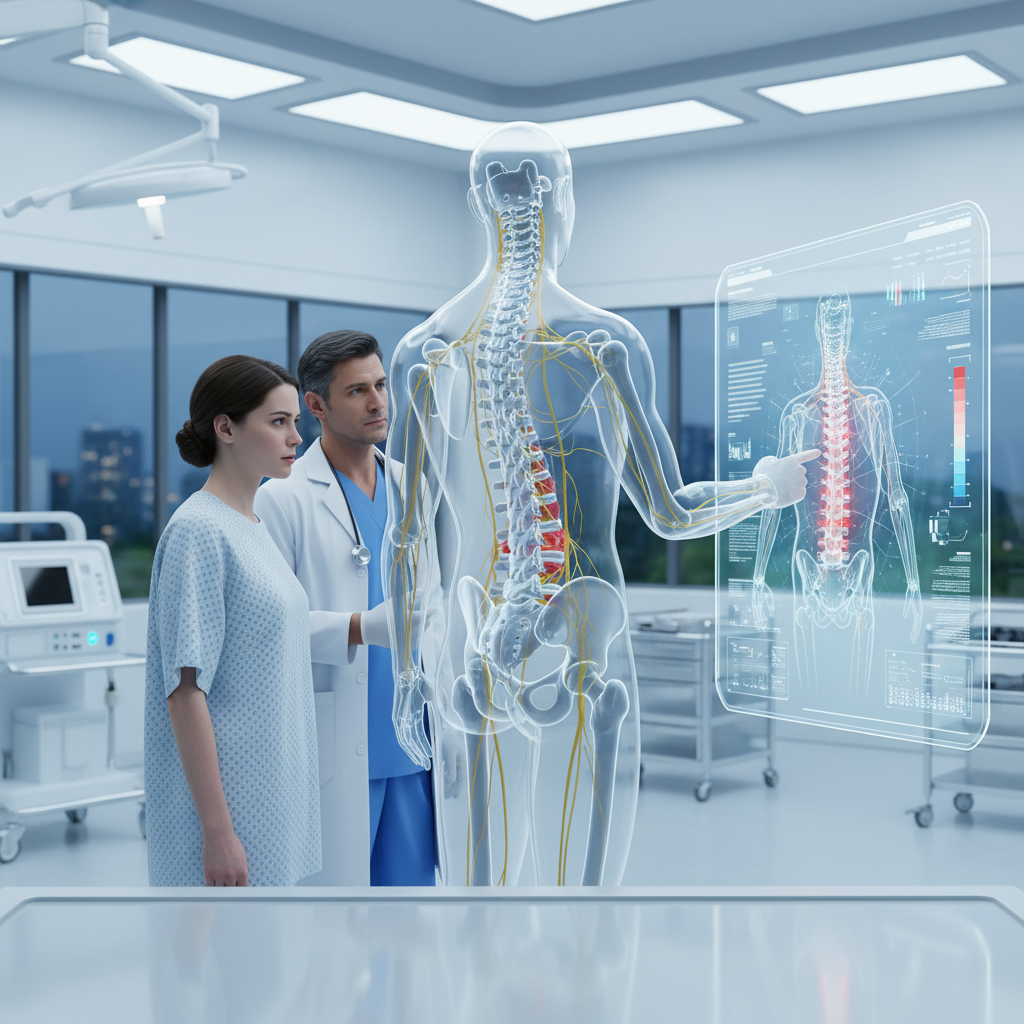
Accurate diagnosis is the basis for safe and effective treatment. **A neurosurgical evaluation usually begins with a detailed history and neurologic examination. The physician assesses reflexes, muscle strength, sensory loss, gait pattern and pain spread to obtain strong clues as to the source of the problem.
Frequently used tests
- MRI (Magnetic Resonance): It is one of the most valuable imaging methods in brain tumors, herniated discs, cervical herniated discs and spinal cord compression.
- CT (Computed Tomography): Provides rapid evaluation, especially in emergency situations such as suspected trauma and bleeding.
- EMG (Electromyography): By evaluating nerve conduction, it can help to differentiate between hernia-induced nerve compression and peripheral nerve compression.
- Vascular imaging methods such as angiography when necessary (according to the infrastructure of the center)
An important distinction in the diagnostic process is this: “There is a herniated disc” on imaging does not always mean that surgery is required. In many patients, even if the MRI shows a herniated disc, the symptoms may be mild and conservative treatment (medication, physical therapy, exercise, lifestyle adjustments) may be sufficient. Similarly, in suspected brain tumor, the location, size, relationship with surrounding tissues and neurological status of the patient determine the treatment plan. Sometimes it is surgery, sometimes biopsy, sometimes close follow-up or joint planning with oncology/radiation oncology.
One of the most important questions on the patient’s mind during this process is “Is brain surgery risky?”. Every surgical intervention has risks, but modern approaches aim to reduce this risk and create layers of safety to protect the nerve tissue. This brings us to advanced technologies.
Note: This content is for general information purposes; diagnosis and treatment are individualized. If you have complaints, a medical evaluation is necessary.
Advanced Technologies: What Do Neuronavigation, Neuromonitoring and Minimally Invasive Approaches Gain the Patient?
the term “advanced technology” is not a promise in itself; the real value is the use of technology in the right patient, with the right indication. Some of the leading technologies in neurosurgery and their practical benefits are as follows:
Precision surgery with the operating microscope
The microscope magnifies the surgical field, allowing a clearer visualization of vascular and nerve tissues. The aim is to progress more controlled, especially in brain tumor surgery or spine microsurgery.
Neuronavigation: the “Surgical GPS” approach
Neuronavigation helps to use preoperative MRI/CT images for guidance during surgery. It can guide the surgeon especially in cases of tumor boundaries, relationship with critical brain regions or deep-seated lesions. In this way, the goal is to make a planned intervention that is as tissue respectful as possible.
Neuromonitoring: Support for preserving nerve function
Intraoperative neuromonitoring is the monitoring of the function of nerve pathways with specific measurements during surgery. The aim is to recognize early the possible involvement of the spinal cord or nerve roots when they are at risk and to adjust the surgical strategy accordingly. It is especially valuable in some spine surgery procedures and risky anatomies.
Minimally invasive spine surgery and endoscopic techniques (in appropriate patients)
In some cases of lumbar hernia and neck hernia, minimally invasive techniques can be planned with the goal of smaller incisions, less muscle tissue trauma and faster return to daily life. However, it is not suitable for every patient: factors such as the type of hernia, whether it is accompanied by stenosis of the canal, and whether there is a slippage in the spine are decisive.
The common goal of these technologies is not “the biggest surgery”, but to choose the most accurate and safest treatment approach. In some patients, non-operative treatment is the best option, while in others delayed surgery may increase the risk of permanent nerve damage.
Common Diseases: Brain Tumor, Lumbar Hernia, Cervical Hernia and Spine Surgery Approach
In this section, let’s summarize the most searched topics in a way that will facilitate decision-making.
Brain tumor: Not all masses are the same
**In suspected brain tumors, the goal is to understand the type, location and growth rate of the lesion. Treatment options may include surgical removal, biopsy, radiotherapy/chemotherapy or close follow-up. The proximity of the tumor to critical areas such as speech, movement and vision is decisive in surgical planning. Therefore, a multidisciplinary approach (radiology, pathology, oncology, etc.) often improves the quality of treatment.
Lumbar disc herniation: Surgery is not always the first option
*in the management of lumbar herniated discs, most patients first try conservative treatment: pain control, physical therapy, exercise, postural ergonomics and, if necessary, injection options. So when does a herniated disc require surgery? General:
- Progressive loss of strength,
- Severe and persistent leg pain,
- Urgent symptoms such as impaired urinary/fecal control,
- A picture that severely impairs quality of life despite treatment tried for an appropriate period of time may lead to a surgical decision. One of the common surgical methods is microsurgical techniques such as microdiscectomy; the aim is to reduce the compression on the nerve.
Cervical hernia: More careful if there is spinal cord compression
In addition to pain and numbness radiating to the arm, a cervical hernia may cause symptoms such as gait disturbance and decreased manual dexterity when spinal cord compression develops. Therefore, the “let’s wait” approach may not always be appropriate. **The answer to the question “Is neck hernia surgery necessary?” is based on neurologic examination, MRI findings and daily life impact.
Spine surgery Canal stenosis and spondylolisthesis
**When we think of spine surgery, we think not only of herniated discs but also of canal stenosis, slipped vertebrae and deformities. In these cases, treatment can range from simple decompression to more extensive interventions requiring stabilization. The aim is to reduce pain, facilitate walking and protect the nerve tissue.
Health-related decisions are sometimes considered in conjunction with aesthetic/quality of life goals. For example, weight control can affect back complaints by reducing the load on the spine. Related content for a comprehensive approach in this respect: Obesity Treatment: Permanent Weight Loss and Safe Step to Healthy Living
Before/After Brain Surgery and Spine Surgery: Preparedness, Risks and Recovery
If the decision has been made to have brain surgery or spine surgery, the management of the process is as important as the surgery itself.
Preoperative preparation
- Medications (especially blood thinners) must be reported to the physician.
- Smoking may adversely affect wound healing; a cessation plan may be recommended.
- Control of chronic diseases such as diabetes and blood pressure increases the safety of surgery.
- Necessary blood tests, anesthesia evaluation and imaging planning are performed.
Postoperative process and recovery
Recovery depends on the type of procedure, the general condition of the patient and the extent of the surgery. For example, early mobilization is targeted in many patients after herniated disc surgery; however, the clear answer to the question “when can you walk after herniated disc surgery?” varies according to the individual and physician/team recommendations are decisive. In neurosurgery, some patients may require intensive care follow-up; the aim is close monitoring and early management of possible complications.
Transparency on risks
Every surgical intervention involves risks such as bleeding, infection, clots, anesthesia-related risks and site-specific neurological effects. Advanced technologies can help reduce these risks; however, a “zero risk” guarantee is not true. For this reason, it is important to ask your physician for a detailed risk-benefit assessment specific to your case during the preoperative consultation.
Some patients also care about postoperative appearance, well-being and motivation to return to daily life. In this context, informative content, albeit in a different field: Plastic Surgery: Natural, Safe and Permanent Aesthetic Solutions
Istanbul Neurosurgery: Practical Criteria for Choosing the Right Center and Team
there are many options for patients searching for “Istanbul neurosurgery”; therefore, criteria that will facilitate the right decision gain importance:
- Team experience and multidisciplinary approach: Coordination with units such as radiology, anesthesia, intensive care, oncology may be critical.
- Technological infrastructure: It should be asked in which indications facilities such as neuronavigation, neuromonitoring, advanced microscopy are used.
- Intensive care and infection control standards: Provides a layer of safety, especially in major surgeries such as brain surgery.
- Patient communication and follow-up plan: Postoperative control intervals, physical therapy/rehabilitation referrals, accessibility in case of emergency should be clear.
The health journey often covers more than one branch. For example, if it is accompanied by complaints about vision or if quality of life is the goal, the following content may also be useful:
- Smart Lens Treatment: Clear Vision Without Glasses Is Now Possible
- Eyelid Aesthetics: A Younger, Vigorous and Vital Look